The Best Toothpaste for Sensitive Teeth
The Best Toothpaste for Sensitive Teeth is an essential tool for millions who experience a sharp, sudden pain when their teeth are exposed to hot, cold, sweet, or acidic stimuli. This common condition, known clinically as dentin hypersensitivity, can turn everyday activities like enjoying ice cream or a hot cup of coffee into a painful ordeal. While it can be a sign of an underlying dental issue that requires professional attention, in many cases, the discomfort can be effectively managed and reduced by using a toothpaste specifically formulated for this purpose. Understanding the science behind tooth sensitivity, the active ingredients that provide relief, and how to integrate the right products into your oral care routine is the first step toward a more comfortable and pain-free life.
Understanding the Science Behind Tooth Sensitivity
To effectively combat tooth sensitivity, it is crucial to first understand its root cause. The pain is not a problem with the surface of your tooth but rather a signal from deep within it. This discomfort originates from the exposure of a layer beneath your tooth enamel called dentin.
What is Dentin Hypersensitivity?
A healthy tooth is protected by a hard outer layer of enamel on the crown and a layer called cementum covering the root below the gum line. Beneath both of these layers lies the dentin, a porous, bone-like tissue filled with thousands of microscopic channels called dentinal tubules. These tubules run from the outside of the tooth directly to the nerve-filled pulp at the center. When the protective enamel or cementum wears away, these tubules become exposed. External triggers, such as temperature changes or pressure, can cause the fluid within these tiny channels to move. According to the widely accepted hydrodynamic theory, this fluid movement stimulates the nerve endings in the pulp, which the brain interprets as a short, sharp jolt of pain. This is the classic sensation of tooth sensitivity.
Common Causes of Exposed Dentin
Several factors can lead to the erosion of enamel and the exposure of dentin, making you more susceptible to sensitivity. Identifying the cause is a key part of developing an effective management strategy.
Gum Recession: One of the most frequent culprits is gum recession. The roots of your teeth are not covered by enamel; they are protected by the softer cementum and your gums. When gums pull back, they expose the dentin on the root surface. This can be a result of aggressive brushing, genetics, or underlying issues such as gum disease and recession.
Enamel Erosion: The enamel on your teeth can be worn down by acids. This is often caused by a diet high in acidic foods and beverages like citrus fruits, sodas, and wine. Medical conditions such as acid reflux (GERD) or bulimia can also significantly contribute to enamel erosion by repeatedly exposing teeth to stomach acid.
Aggressive Brushing: Using a hard-bristled toothbrush or applying too much force when brushing can physically abrade the enamel over time. This improper technique can also damage gum tissue, leading to recession and further exposing sensitive areas.
Other Factors: Teeth grinding or clenching (bruxism) can wear down enamel. A chipped or cracked tooth can expose the dentin. Furthermore, some dental procedures, such as teeth whitening, professional cleanings, or the placement of a crown, can cause temporary sensitivity that usually subsides on its own.
Key Ingredients in Toothpaste for Sensitive Teeth and How They Work
Toothpastes designed for sensitive teeth work through two primary mechanisms: desensitizing the nerve or blocking the dentinal tubules. The active ingredients determine how the toothpaste provides relief, and understanding them can help you choose the most suitable product for your needs.
Nerve Desensitizing Agents
The most common approach to treating sensitivity involves calming the nerve itself. The primary ingredient used for this purpose is potassium nitrate. It works by penetrating through the enamel and dentin to reach the pulp. Once there, it elevates the concentration of potassium ions around the nerve, which effectively interrupts the transmission of pain signals to the brain. This method does not fix the physical issue of exposed tubules but makes the nerve less responsive to stimuli. It typically requires several weeks of consistent, twice-daily use to build up its effect and provide sustained relief.
Tubule Occluding Agents
The second strategy is to physically block, or occlude, the exposed dentinal tubules. By plugging these microscopic channels, the toothpaste prevents the fluid movement that triggers the nerve. Several ingredients achieve this:
Stannous Fluoride: This multi-functional compound is highly effective. It not only provides the anti-cavity benefits of other fluorides but also creates a protective layer over the dentin, sealing the tubules. This barrier can provide more immediate relief and offers robust protection against both sensitivity and decay.
Arginine and Calcium Carbonate: This combination, often found in advanced formulations, works by creating a calcium-rich layer that plugs the dentinal tubules. Arginine, an amino acid, helps bind this layer securely to the dentin surface. Extensive clinical studies have shown that this technology can provide rapid and lasting relief from the pain of hypersensitivity.
Strontium Chloride/Acetate: Similar to stannous fluoride and arginine, strontium compounds work by forming a barrier over the dentin and plugging the tubules. While less common in newer formulations, they are still a proven and effective option for sensitivity relief.
| Active Ingredient | Primary Mechanism | Best For | Typical Time to Relief |
|---|---|---|---|
| Potassium Nitrate | Nerve Desensitization | General, persistent sensitivity | 2-4 weeks of consistent use |
| Stannous Fluoride | Tubule Occlusion & Anti-Cavity | Sensitivity with a high risk of cavities | Can be immediate, improves over time |
| Arginine & Calcium Carbonate | Tubule Occlusion | Individuals seeking rapid relief | Often immediate after first use |
| Strontium Chloride/Acetate | Tubule Occlusion | An effective alternative to other agents | 1-3 weeks of consistent use |
How to Choose the Best Toothpaste for Sensitive Teeth
With a variety of options available, selecting the right toothpaste involves considering your specific oral health needs beyond just sensitivity. A holistic approach will ensure you are not only comfortable but also maintaining excellent overall dental health.
Assessing Your Specific Needs
Consider your other oral health goals. Do you also want to whiten your teeth? Many sensitive toothpastes now include gentle whitening agents. Are you prone to cavities? A formula with a high-performance fluoride like stannous fluoride might be ideal. Do you have concerns about gum health? Some products are specifically formulated to address both sensitivity and gingivitis. Also, pay attention to the Relative Dentin Abrasivity (RDA) value of a toothpaste. For sensitive teeth, a lower RDA value is preferable as it will be less likely to contribute to further enamel wear.
What to Look for on the Label
Always check the “Active Ingredients” section on the packaging to identify which desensitizing or occluding agent the product contains. Ensure that any toothpaste you choose also contains fluoride, as this is essential for strengthening enamel and preventing tooth decay. Look for seals of approval from reputable dental organizations, such as the American Dental Association (ADA) Seal of Acceptance. This seal indicates that the product has been independently tested and proven to be safe and effective for its stated claims.
Beyond Toothpaste: A Comprehensive Approach to Managing Sensitivity
While the right toothpaste is a cornerstone of managing sensitivity, it works best as part of a broader strategy that includes proper oral hygiene habits, dietary adjustments, and professional dental care.
Proper Brushing Technique and Tools
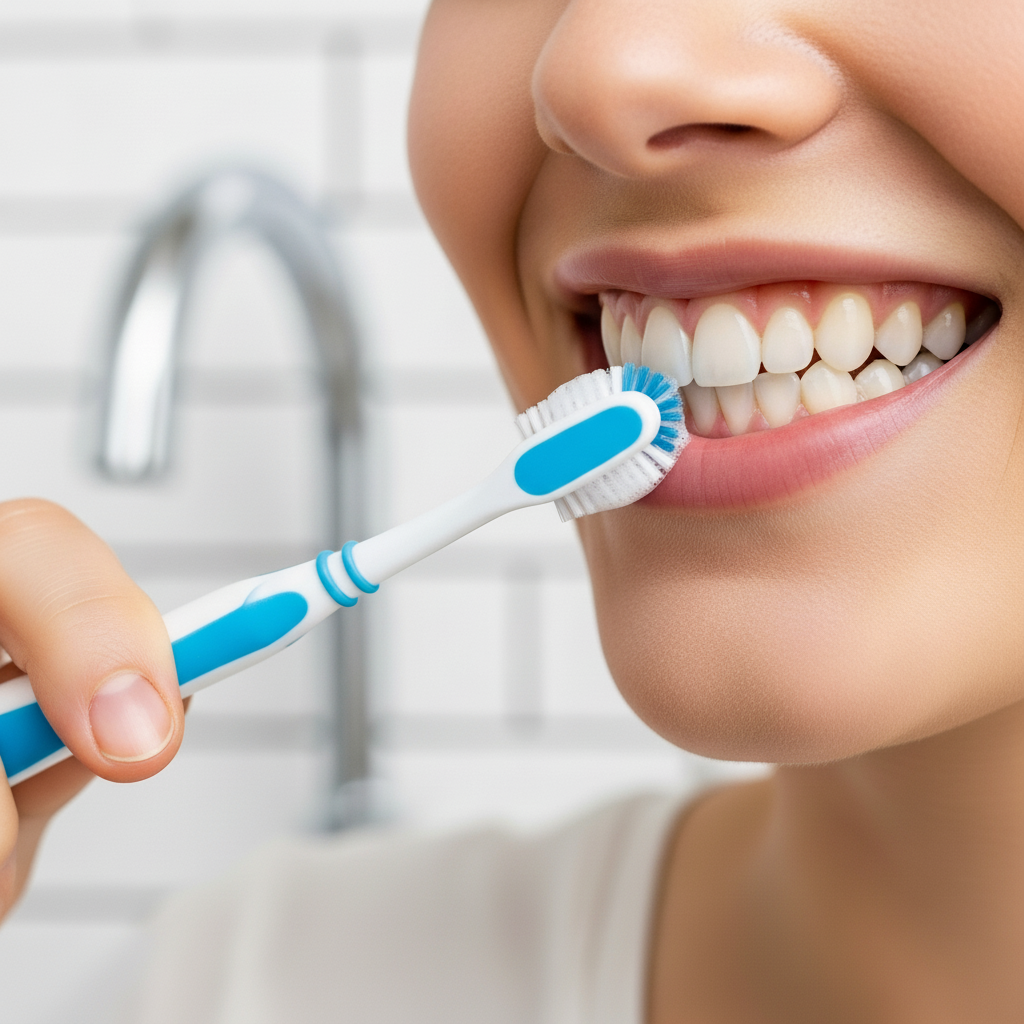
Switch to a toothbrush with soft or extra-soft bristles. Hard bristles can cause significant damage to both your enamel and gums. Use a gentle, circular motion to clean your teeth, angling the bristles at 45 degrees toward the gum line. Avoid aggressive back-and-forth scrubbing. Brushing for two minutes twice a day is sufficient; over-brushing or applying excessive pressure offers no additional benefit and can be harmful.
Dietary Considerations
Be mindful of your intake of acidic foods and drinks, which are primary contributors to enamel erosion. When you do consume them, try to limit their contact time with your teeth by drinking through a straw. It is also beneficial to rinse your mouth with plain water immediately afterward to help neutralize the acids. Wait at least 30 minutes after consuming something acidic before brushing your teeth, as the acid temporarily softens the enamel, making it more vulnerable to abrasion from brushing.
When to See a Dentist
If your sensitivity is severe, sudden, or persists despite using specialized toothpaste and adopting better habits, it is essential to schedule a visit with your dentist. Persistent pain can be a symptom of a more serious issue, such as a deep cavity, a cracked tooth, or an abscess. A dentist can accurately diagnose the cause of your sensitivity and recommend professional treatments if necessary. These may include in-office applications of high-concentration fluoride varnishes, the application of bonding agents to seal the dentin, or even procedures like gum grafts for severe recession.
Final Considerations for Long-Term Relief
Achieving lasting relief from tooth sensitivity requires consistency and patience. Desensitizing toothpastes must be used continuously, twice a day, every day, to maintain their protective effects. If you stop using them, the sensitivity is likely to return. Remember that ingredients like potassium nitrate may take a few weeks to reach their full potential, so do not be discouraged if you do not experience complete relief immediately. By combining the right toothpaste with gentle brushing, a tooth-friendly diet, and regular professional dental care, you can effectively manage dentin hypersensitivity and reclaim the simple pleasure of enjoying your favorite foods and drinks without pain.