Before and After Dental Implants: What to Expect

The following table provides a concise overview of the differences experienced by patients before and after receiving dental implant treatment:
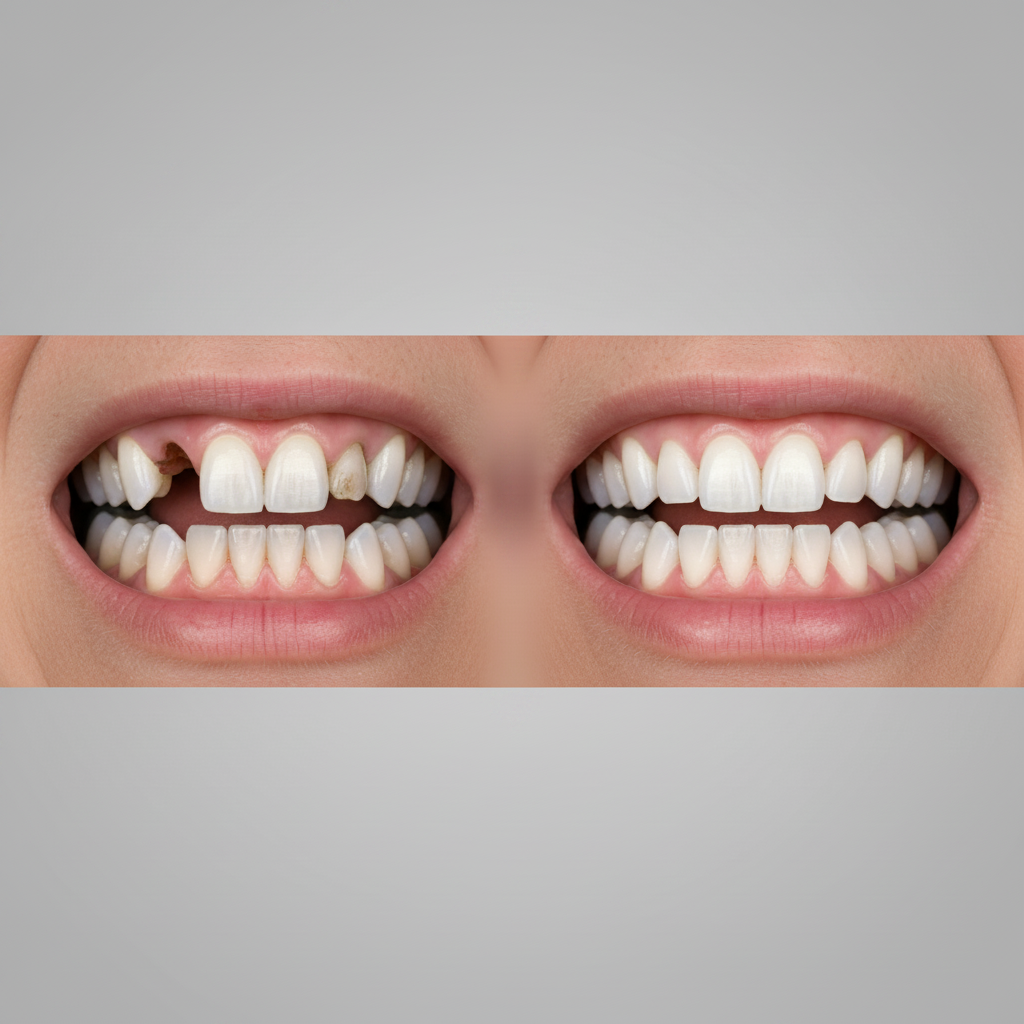
Before and After Dental Implants: What to Expect
Dental implants have revolutionized restorative dentistry, offering a permanent and aesthetically pleasing solution for missing teeth. For many individuals, the decision to undergo dental implant treatment is a life-changing one, promising a return to natural function, comfort, and confidence. Understanding the journey, from the initial consultation to the long-term benefits, can help set realistic expectations and ensure a smooth experience. This comprehensive guide will explore the transformative process of dental implants, detailing what patients can anticipate every step of the way.
Understanding Your Journey: Before and After Dental Implants
The journey toward a fully restored smile with dental implants begins with a clear understanding of the existing oral health challenges and ends with the remarkable transformation that these advanced prosthetics provide. It’s a transition from limitation to liberation, impacting not just oral function but overall quality of life.
The “Before” Scenario: Addressing Tooth Loss
Before embarking on dental implant treatment, individuals often contend with a range of issues caused by missing teeth. These can vary from a single lost tooth to multiple missing teeth or even complete edentulism (total tooth loss). The consequences extend beyond mere aesthetics, deeply affecting daily life.
* **Aesthetic Concerns:** Gaps in the smile can lead to self-consciousness, reluctance to smile, and a diminished sense of self-esteem. Over time, the absence of teeth can also contribute to a sunken facial appearance as the jawbone naturally begins to resorb.
* **Functional Limitations:** Chewing becomes difficult and often painful, forcing individuals to restrict their diet to softer foods. This can lead to nutritional deficiencies and digestive issues. Speech can also be impaired, resulting in lisps or muffled sounds.
* **Oral Health Deterioration:** Missing teeth allow adjacent teeth to shift out of alignment, creating new gaps and bite problems. The jawbone, no longer stimulated by the tooth root, begins to atrophy, weakening the jaw structure and potentially impacting the stability of remaining teeth. This bone loss can also complicate future implant placement if not addressed promptly.
* **Discomfort and Instability:** Traditional solutions like dentures, while providing some functionality, often come with discomfort, instability, and the need for messy adhesives. Bridges require altering healthy adjacent teeth, which can compromise their long-term health.
Patients typically seek dental implants after experiencing one or more of these challenges, looking for a more stable, comfortable, and natural-feeling alternative to conventional tooth replacement options.
Initial Assessment and Treatment Planning
The first crucial step in the “before” phase is a thorough initial assessment. This involves a comprehensive oral examination by a qualified dental professional, including X-rays, 3D CT scans, and digital impressions. These diagnostic tools allow the dental team to evaluate the quantity and quality of the jawbone, identify the precise location of nerves and sinuses, and create a detailed 3D model of the patient’s mouth.
During this stage, the dentist will:
- Review the patient’s medical history to ensure there are no contraindications for surgery.
- Discuss the patient’s aesthetic goals and functional expectations.
- Determine if bone grafting or a sinus lift is necessary to create adequate bone volume for implant placement.
- Develop a personalized treatment plan, outlining each stage of the procedure, estimated timeline, and associated costs.
This meticulous planning phase is vital for the success and longevity of dental implants, ensuring that each implant is strategically placed for optimal support and function.
The Dental Implant Procedure: Step-by-Step
The process of receiving dental implants is a carefully orchestrated series of steps, each designed to ensure the successful integration of the implant with the jawbone and the eventual restoration of a beautiful, functional smile.
Implant Placement Surgery
The surgical phase typically involves placing the titanium implant posts into the jawbone. This is usually performed under local anesthesia, though sedation options are often available for patient comfort. The dentist makes a small incision in the gum to expose the bone, then carefully drills a pilot hole, which is gradually widened to accommodate the implant post. Once the implant is securely placed, the gum tissue is sutured shut, covering the implant. In some cases, a healing abutment may be attached immediately, protruding through the gum tissue.
The Osseointegration Phase
Following implant placement, a critical period of healing known as osseointegration begins. This is where the magic of dental implants truly happens. Titanium, being biocompatible, gradually fuses with the surrounding bone tissue over several months (typically 3 to 6 months). This process creates a strong, stable foundation for the future artificial tooth, similar to how a natural tooth root anchors itself in the jaw. During this time, patients typically wear a temporary prosthetic to maintain aesthetics and function.
Abutment and Prosthesis Attachment
Once osseointegration is complete and the implant is firmly integrated with the bone, the final restoration can proceed. If the implant was initially covered by gum tissue, a minor surgical procedure is performed to expose the top of the implant. An abutment, a small connector post, is then attached to the implant. The abutment will extend above the gum line and serve as the anchor for the custom-made crown, bridge, or denture.
Finally, the custom-fabricated crown, meticulously designed to match the natural teeth in shape, size, and color, is securely attached to the abutment. For multiple missing teeth, a bridge or full arch denture can be fabricated and secured to several implants. This marks the culmination of the “after” transformation, where the patient’s new smile comes to life.
The “After” Transformation: Benefits and Care
The completion of dental implant treatment ushers in a new era of oral health and overall well-being. The “after” experience is defined by significantly improved function, aesthetics, and a renewed sense of confidence.
Immediate Post-Procedure Expectations
Immediately after the final prosthesis is attached, patients may experience a period of adjustment. This can include mild soreness or sensitivity as the mouth adapts to the new teeth. However, these symptoms are typically minor and resolve quickly. Patients will immediately notice the stability and natural feel of their new teeth, allowing them to chew and speak with renewed ease.
Long-Term Oral Health and Maintenance
The success of dental implants in the long term heavily relies on diligent oral hygiene and regular dental check-ups. While implants themselves cannot decay, the surrounding gum tissue can still be susceptible to gum disease (peri-implantitis) if not properly cared for.
- Brushing and Flossing: Treat your dental implants just like natural teeth. Brush twice daily with a soft-bristled toothbrush and floss daily, paying close attention to the areas around the implant. Special brushes or interdental cleaners might be recommended.
- Regular Dental Visits: Routine check-ups with your dentist and hygienist are essential for monitoring the health of your implants and surrounding tissues, as well as for professional cleanings.
- Avoid Damaging Habits: Refrain from chewing on hard objects like ice or using your teeth to open packages, which can damage crowns. If you grind or clench your teeth, a night guard may be recommended.
With proper care, dental implants can last for many decades, often a lifetime, making them a highly durable and cost-effective long-term solution. For more detailed information on maintaining your new smile, you can explore resources on dental implants.
Why Consider Dental Implants?
Beyond the technical aspects of the procedure, the true value of dental implants lies in the profound improvements they bring to a patient’s life. They are more than just tooth replacements; they are a gateway to enhanced health, comfort, and happiness.
Dental implants offer unparalleled stability, allowing individuals to eat their favorite foods without worry. Unlike removable dentures, implants are permanently anchored, eliminating concerns about slippage or discomfort. This stability also translates into clearer speech, as there are no moving parts to interfere with articulation.
Aesthetically, modern dental implants are virtually indistinguishable from natural teeth. Custom-made crowns are designed to blend seamlessly with the existing dentition, restoring a natural-looking and beautiful smile. This significant improvement in appearance often leads to a dramatic boost in self-confidence, allowing individuals to smile, laugh, and interact socially without hesitation.
Perhaps one of the most significant advantages of dental implants is their role in preserving jawbone health. By mimicking the root structure of natural teeth, implants provide the necessary stimulation to the jawbone, preventing the bone loss that typically occurs after tooth extraction. This helps maintain facial structure and prevents the sunken appearance associated with long-term tooth loss. The long-term success rates of dental implants are impressively high, often exceeding 95% over ten years when performed by experienced professionals. The advancements in dental implant technology and techniques mean that they are a safe and predictable treatment option for a wide range of patients. For further scientific background on dental implants, you can refer to authoritative sources such as Wikipedia on Dental Implants.
| Aspect | Before Dental Implants | After Dental Implants |
|---|---|---|
| Appearance | Missing teeth, gaps, potential bone loss, sunken facial features. | Complete smile, natural-looking teeth, maintained facial structure, restored aesthetics. |
| Functionality | Difficulty chewing, limited diet, speech impediments. | Full chewing capacity, ability to eat all foods, clear speech. |
| Comfort & Stability | Loose dentures, discomfort, irritation, constant worry about shifting. | Secure, stable teeth integrated with jawbone, feeling like natural teeth, no movement. |
| Oral Health | Risk of further bone loss, shifting adjacent teeth, gum disease, decay around bridges. | Preservation of jawbone, protection of adjacent teeth, improved overall oral hygiene. |
| Self-Confidence | Self-consciousness, embarrassment when smiling or speaking. | Renewed confidence, improved self-esteem, freedom to smile and interact without hesitation. |
The transformative journey with dental implants offers a lasting solution for tooth loss, dramatically improving not just oral health but also overall quality of life. From the careful planning before the procedure to the fulfilling experience after, dental implants provide a reliable and natural-feeling way to restore a healthy, beautiful smile.

The following table provides a concise overview of the differences experienced by patients before and after receiving dental implant treatment: