How to Stop Bleeding Gums When Brushing

How to Stop Bleeding Gums When Brushing, a common concern that many people experience yet often dismiss as normal. Seeing a tinge of pink or red in the sink after your daily oral hygiene routine is not a sign of vigorous cleaning; it is a clear signal from your body that something is amiss. This bleeding is almost always an indication of inflammation, typically pointing to the earliest stage of gum disease, known as gingivitis. Ignoring this warning sign can allow the condition to progress into more severe periodontal disease, potentially leading to significant dental problems, including tooth loss. Understanding the causes, implementing correct home care techniques, and knowing when to seek professional help are crucial steps in restoring your gum health and ensuring the longevity of your smile. This comprehensive guide will delve into the reasons behind bleeding gums, provide actionable steps to address the issue, and explain the professional treatments available to put you back on the path to optimal oral wellness.
Understanding the Root Causes of Bleeding Gums
Bleeding gums are a symptom, not a disease in themselves. They are your gums’ way of crying out for help, signaling underlying inflammation and irritation. The primary cause is almost always the accumulation of plaque, a sticky film of bacteria that constantly forms on your teeth. However, several other factors can contribute to or exacerbate the problem.
Gingivitis: The Primary Culprit
The most frequent reason for bleeding gums is gingivitis. When plaque is not adequately removed through regular brushing and flossing, it builds up along the gum line. The bacteria within this plaque release toxins that irritate the gum tissue, causing an inflammatory response. This inflammation makes the gums tender, swollen, and prone to bleeding with even gentle contact. If left unaddressed, plaque can harden into tartar (or calculus), a calcified deposit that can only be removed by a dental professional. Tartar provides a rough surface for even more plaque to accumulate, worsening the irritation and creating a vicious cycle of inflammation. Gingivitis is the initial, reversible stage of gum disease. With proper oral hygiene and professional care, it can be completely resolved.
Improper Brushing and Flossing Techniques
There is a fine line between effective cleaning and causing trauma to your gums. Using a toothbrush with hard bristles or applying excessive force when brushing can physically damage the delicate gum tissue, leading to bleeding. This type of bleeding is caused by abrasion, not necessarily by underlying disease, but it can still create openings for bacteria to enter. Conversely, not brushing thoroughly enough or skipping flossing allows plaque to thrive in the hard-to-reach areas between teeth and below the gum line. It is this hidden plaque that often initiates the inflammatory process leading to gingivitis. The key is to find a balance with a gentle yet thorough technique.
Other Contributing Factors
While plaque is the main offender, other conditions can make you more susceptible to bleeding gums. Hormonal fluctuations, such as those experienced during pregnancy, puberty, or menopause, can increase blood flow to the gums and make them more sensitive to plaque. Certain medications, especially blood thinners like anticoagulants, can increase the tendency to bleed. Vitamin deficiencies, particularly a lack of Vitamin C (essential for tissue repair) and Vitamin K (crucial for blood clotting), can also play a role. Furthermore, some systemic health issues, including diabetes, can impair the body’s ability to fight infection, making gum disease more severe and harder to control.
Practical Steps to Stop Bleeding Gums at Home
Addressing bleeding gums often begins with refining your daily oral care routine. Consistent, correct practices can reverse gingivitis and restore your gums to a healthy, non-bleeding state.
Mastering the Right Brushing Technique
The foundation of gum health is proper brushing. It is not about scrubbing hard, but about being systematic and gentle.
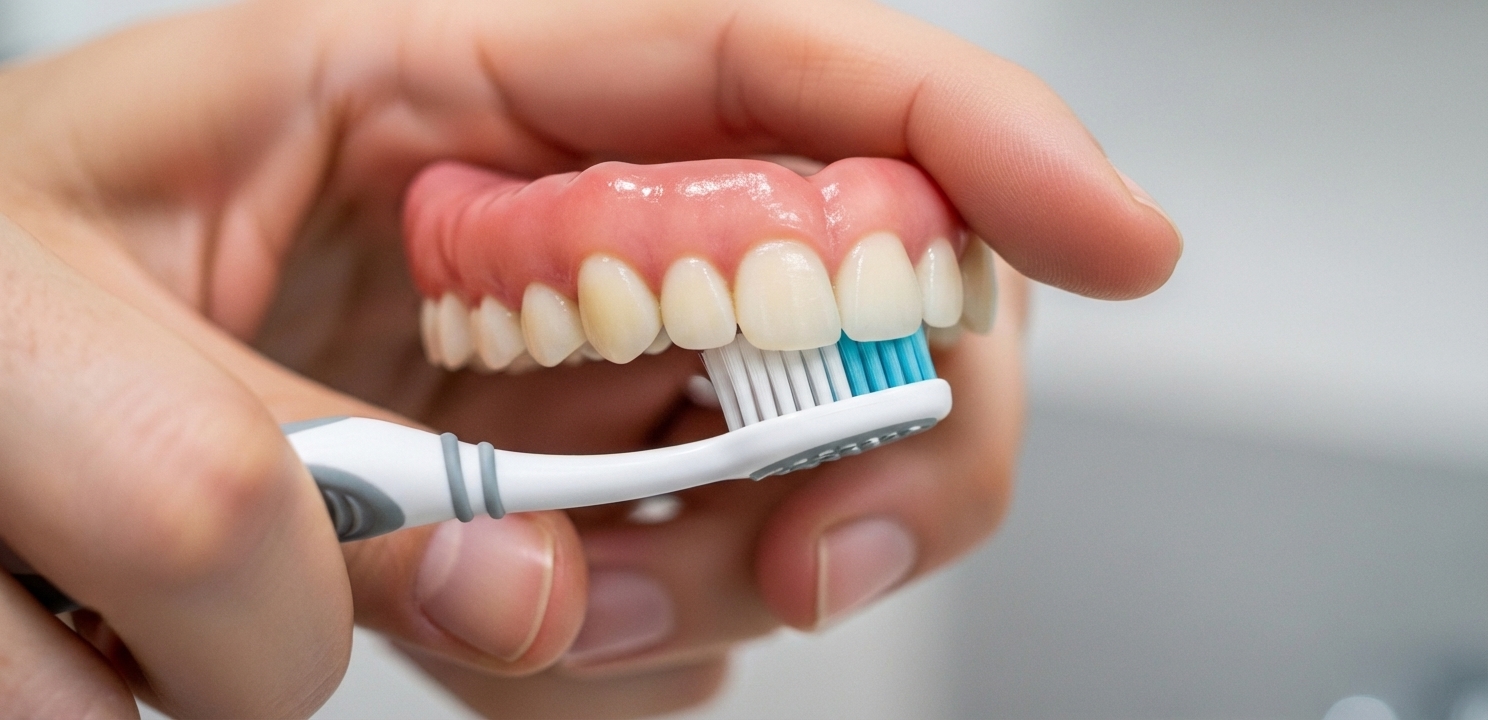
- Choose the Right Tool: Use a toothbrush with soft bristles. Medium or hard bristles can be too abrasive on your gums and enamel.
- Angle for Success: Hold your toothbrush at a 45-degree angle to the gums. This allows the bristles to reach and clean just below the gum line where plaque accumulates.
- Use Gentle Motions: Move the brush in short, gentle, circular motions rather than sawing back and forth. Apply just enough pressure to feel the bristles against your teeth and gums.
- Be Thorough: Spend at least two minutes brushing, ensuring you clean all surfaces of every tooth—outer, inner, and chewing surfaces.
The Non-Negotiable Role of Daily Flossing
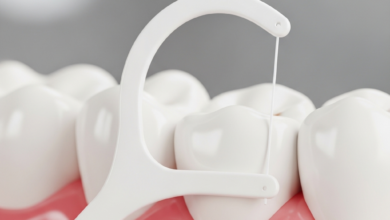
Brushing alone cannot reach the tight spaces between your teeth and under the gum line, which accounts for roughly 35% of your tooth’s surface. This is where flossing is essential. It physically removes plaque and food debris from these areas. If you have just started flossing, you may notice an initial increase in bleeding as you disturb the inflamed areas. This is normal and should subside within a week or two of consistent, gentle flossing as the gums become healthier.
The Power of an Antiseptic Mouthwash
Incorporating an antiseptic or anti-gingivitis mouthwash into your routine can provide an extra layer of protection. These mouthwashes contain ingredients that help kill the bacteria responsible for plaque and gingivitis. Rinsing after brushing and flossing can help reduce the bacterial load in your mouth and soothe inflamed gum tissue.
When to Seek Professional Dental Care
While home care is fundamental, it cannot resolve every issue. If your gums continue to bleed after a week or two of diligent oral hygiene, it is time to consult a dental professional. Professional intervention is necessary to remove hardened tartar and assess the extent of any underlying gum disease.
What to Expect During a Dental Check-up
During a check-up, your dentist or hygienist will perform a thorough examination. They will look for signs of inflammation, check the depth of the “pockets” between your teeth and gums (deeper pockets can indicate disease progression), and identify any tartar buildup. This assessment helps determine the appropriate course of treatment to halt the disease and prevent further damage.
Professional Cleaning (Scaling and Root Planing)
The cornerstone of treating gingivitis and early periodontitis is a professional cleaning. This procedure, often called scaling and root planing, goes far beyond a standard polish. Scaling involves using specialized instruments to meticulously remove plaque and tartar from above and below the gum line. Root planing smooths the tooth roots, which helps the gums reattach to the teeth and makes it more difficult for plaque to accumulate in the future. This deep cleaning is the only effective way to remove calculus and is essential for stopping the inflammatory process.
The Dangers of Ignoring Persistent Bleeding Gums When Brushing
Ignoring bleeding gums allows gingivitis to progress to periodontitis, a more severe and destructive form of gum disease. In periodontitis, the chronic inflammation causes the gums to pull away from the teeth, forming deep pockets that become infected. As the body’s immune system fights the bacteria, the bone and connective tissue that hold the teeth in place are broken down. This can lead to loose teeth and eventual tooth loss. The implications extend beyond the mouth; extensive research has shown a strong link between periodontal disease and systemic health conditions. A publication from the National Center for Biotechnology Information highlights the association between periodontitis and an increased risk for cardiovascular disease, diabetes complications, and other inflammatory conditions.
A Comparative Look: Healthy Gums vs. Gingivitis
Recognizing the difference between healthy and diseased gums is key to early intervention. This table provides a clear comparison of the signs to watch for.
| Characteristic | Healthy Gums | Gums with Gingivitis |
|---|---|---|
| Color | A consistent, pale pink color. | Red, dark red, or purplish. |
| Texture | Firm, resilient, and stippled (like an orange peel). | Puffy, swollen, and smooth or shiny. |
| Contour | Snugly fits around the teeth with sharp, pointed edges between teeth. | Rolled, rounded, or blunted edges. The gums may appear to be pulling away. |
| Bleeding | Does not bleed during normal brushing or flossing. | Bleeds easily when brushed, flossed, or sometimes even when touched. |
| Breath | Neutral or pleasant odor. | Persistent bad breath (halitosis) due to bacteria. |
Maintaining Long-Term Gum Health
Once your gums are back to a healthy state, the focus shifts to maintenance and prevention. This involves a partnership between you and your dental care team.
The Importance of Regular Dental Visits
Consistent dental check-ups and professional cleanings, typically every six months, are vital. These visits allow your hygienist to remove any tartar that has formed since your last visit and enable your dentist to monitor your gum health, catching any potential issues before they become serious. This preventative approach is the most effective way to avoid the recurrence of gum disease and other oral health issues. Similar to how you would see a dentist for persistent pain, you should also see one for persistent bleeding. Understanding the origins of dental discomfort is crucial, which is related to what causes toothache and how dentists treat it.
Lifestyle Choices for a Healthy Mouth

Your overall health is intrinsically linked to your oral health. A balanced diet rich in vitamins and minerals supports healthy gum tissue. Limiting sugary and acidic foods and drinks helps reduce plaque formation. If you smoke, quitting is one of the most significant steps you can take to improve your gum health, as smoking impairs blood flow to the gums and weakens the immune response. By adopting a diligent oral hygiene routine, seeking timely professional care, and making healthy lifestyle choices, you can effectively stop your gums from bleeding and protect your smile for a lifetime.