The Best Ways to Whiten Your Teeth Safely
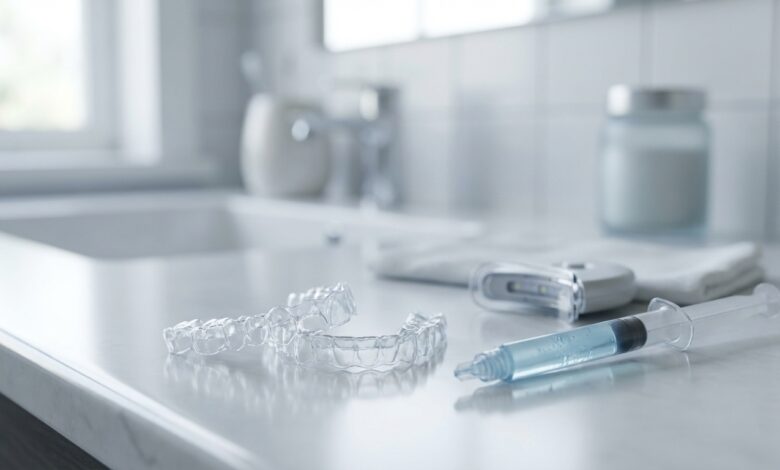
The Best Ways to Whiten Your Teeth Safely are a combination of professional guidance, proven methods, and a commitment to protecting your long-term oral health. A radiant, white smile is one of the most sought-after cosmetic enhancements, capable of boosting confidence and creating a lasting positive impression. However, the journey to a brighter smile is filled with a bewildering array of products and treatments, from professional in-office procedures to countless over-the-counter kits and “natural” remedies promoted online. Navigating these options can be challenging, and choosing the wrong method can lead to disappointing results, painful sensitivity, or even irreversible damage to your teeth and gums. The key is to understand the science behind teeth whitening and to prioritize safe, effective solutions over quick, unverified fixes. A truly successful whitening experience not only enhances your smile but also preserves the integrity of your dental health for years to come.
Understanding Tooth Discoloration: Why Do Teeth Stain?
Before exploring whitening methods, it is essential to understand why teeth lose their natural brightness. Tooth discoloration is not a one-size-fits-all issue; it falls into two primary categories, and the type of staining you have will significantly influence which whitening treatment will be most effective.
Extrinsic Stains
Extrinsic stains are the most common type of discoloration. These are surface-level stains that affect the enamel, which is the hard, outer layer of your teeth. Enamel is porous, meaning it has microscopic pits and ridges that can hold onto particles from the foods and drinks we consume. The primary culprits behind extrinsic staining are chromogens, which are intensely pigmented molecules that latch onto tooth enamel. Common sources of these stains include:
- Coffee and Tea: These popular beverages contain tannins, which are a type of chromogen that leads to yellow or brown staining over time.
- Red Wine: Known for its deep colour, red wine also contains tannins and acids that can etch the enamel, making it easier for stains to set in.
- Tobacco: Both smoking and chewing tobacco introduce tar and nicotine into the mouth. While nicotine is colourless, it turns yellow when mixed with oxygen, leading to stubborn stains.
- Dark-Coloured Foods: Berries, soy sauce, tomato-based sauces, and other richly coloured foods can contribute to surface discoloration.
Fortunately, extrinsic stains are the easiest to remove. Whitening toothpastes with mild abrasives and professional dental cleanings can often reduce their appearance, while chemical bleaching agents are highly effective at breaking them down.
Intrinsic Stains
Intrinsic stains are discolorations that occur within the tooth’s inner structure, known as the dentin. The dentin layer is naturally more yellow than the enamel above it. As enamel thins with age or wears down from abrasion, this yellowish dentin becomes more visible. Intrinsic staining is more complex to treat than extrinsic staining and often requires professional-grade bleaching agents to penetrate the enamel and lighten the dentin layer. Causes of intrinsic staining include:
- Aging: Over a lifetime, enamel naturally thins, and the dentin continues to produce, often darkening in the process. This combination leads to a more yellowed appearance.
- Trauma: An injury to a tooth can cause it to produce more dentin as a protective response, leading to a darker, grayish appearance.
- Medications: Certain antibiotics, particularly tetracycline and doxycycline, can cause significant gray or brown banding on the teeth if taken during childhood when teeth are still developing.
- Excessive Fluoride: While fluoride is crucial for dental health, excessive exposure during childhood (a condition known as fluorosis) can lead to white spots or brownish stains on the enamel.
Professional Teeth Whitening: The Gold Standard for Safety and Efficacy
When it comes to achieving significant, lasting, and safe whitening results, professional treatments administered or supervised by a qualified dental professional remain the unparalleled choice. Dentists have access to more potent, effective bleaching agents and the expertise to ensure the process is tailored to your specific needs while protecting your oral health.
How In-Office Whitening Works
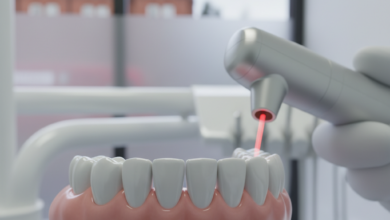
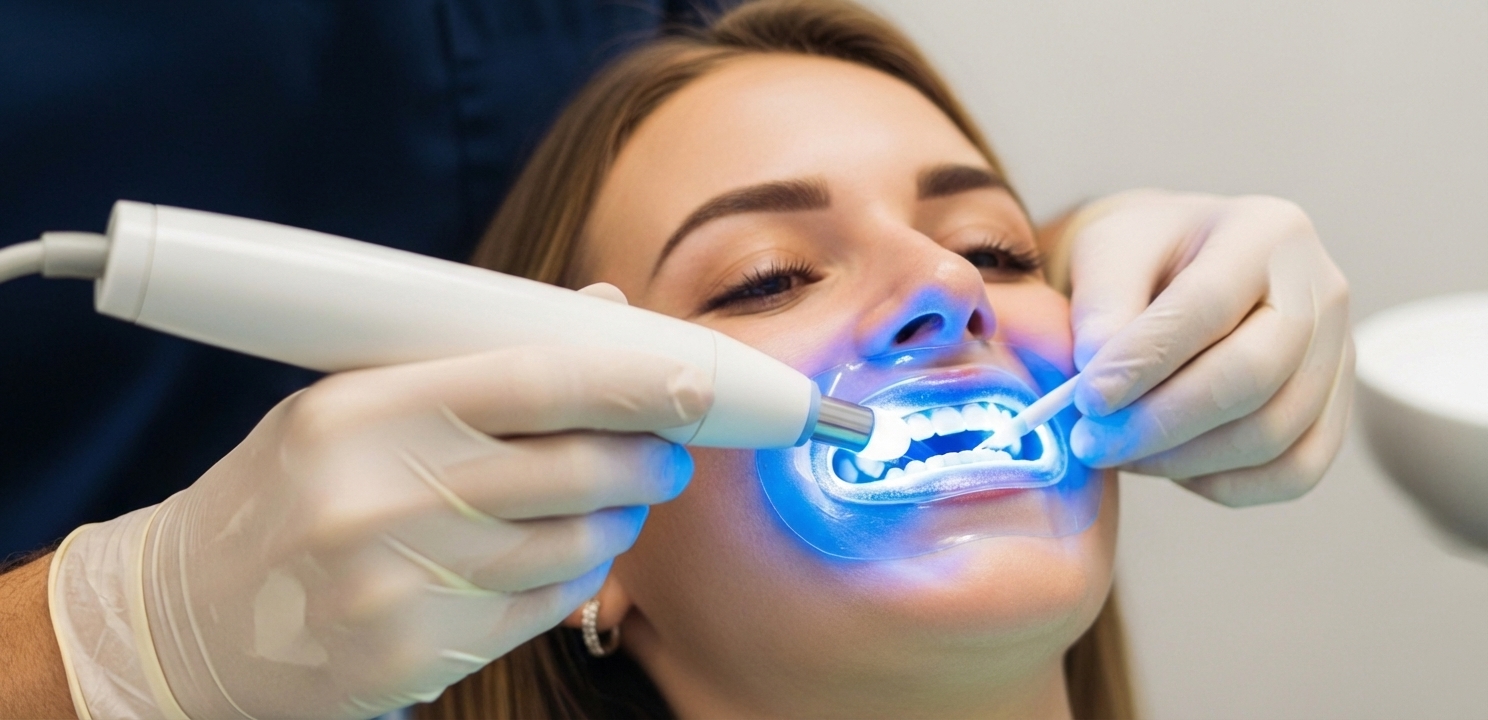
In-office teeth whitening is the fastest and most dramatic method available. The procedure typically takes about one hour and is performed under strict clinical supervision. First, the dentist or hygienist will apply a protective barrier to your gums and lips to prevent any irritation from the bleaching agent. Next, a professional-strength whitening gel, usually containing a high concentration of hydrogen peroxide, is carefully applied to the surfaces of your teeth. In many cases, a special light or laser is used to activate the gel and accelerate the whitening process, breaking down stubborn stains more rapidly. The results are immediate, with many patients seeing their teeth become several shades lighter in a single visit.
The Benefits of Professional Supervision
The most significant advantage of professional whitening is safety. Before proceeding, a dentist will conduct a thorough examination to ensure you are a suitable candidate. They will check for underlying issues like cavities, cracks, or gum disease that could be exacerbated by the whitening process. This initial assessment is crucial for preventing pain and damage. Furthermore, professional application ensures that the powerful bleaching agents are used correctly, minimizing the risk of gum irritation and ensuring an even, natural-looking result. A consultation can also place whitening in the context of your broader aesthetic goals, such as a comprehensive smile makeover.
Professional Take-Home Kits
For those who prefer the convenience of whitening at home but still want the safety and effectiveness of a professional treatment, dentist-prescribed take-home kits are an excellent option. A dentist will first take an impression of your teeth to create custom-fitted whitening trays. These trays fit your mouth perfectly, ensuring that the whitening gel is applied evenly across your teeth and, crucially, kept away from your gums. You will be provided with a professional-grade carbamide or hydrogen peroxide gel, which is less concentrated than the in-office version but significantly stronger than over-the-counter products. The dentist provides clear instructions on how to apply the gel and how long to wear the trays each day, typically for a couple of weeks, to achieve optimal results.
How to Whiten Your Teeth Safely at Home
While professional treatments offer the best results, many people turn to over-the-counter (OTC) products for their affordability and accessibility. While some of these can be effective for mild surface stains, it is vital to use them with caution and realistic expectations.
Whitening Strips and Gels
Whitening strips are thin, flexible pieces of plastic coated with a low-concentration peroxide gel. They are applied directly to the teeth for a set amount of time each day over a period of weeks. While they can lighten teeth by a shade or two, they have limitations. The one-size-fits-all design can lead to uneven results, as the strips may not make full contact with curved or crooked teeth. There is also a risk of the gel seeping onto the gums, causing irritation.
Whitening Toothpastes
Nearly all toothpastes help remove surface stains through the action of mild abrasives. Some whitening toothpastes contain additional polishing agents or chemicals that are more effective at this task. However, it’s important to understand that these products do not change the intrinsic color of your teeth; they only work on extrinsic stains. They are best used for maintaining a bright smile after a professional whitening treatment rather than as a primary whitening method.
Activated Charcoal and Other “Natural” Trends
The internet is full of “natural” whitening trends, with activated charcoal being one of the most popular. The theory is that charcoal’s porous nature absorbs plaque and stains. However, there is no scientific evidence to support its effectiveness for whitening, and dental professionals warn against its use. Activated charcoal is highly abrasive and can wear down tooth enamel over time. This erosion is permanent and can expose the underlying yellow dentin, making teeth appear even darker and more sensitive in the long run.
Comparing Whitening Methods: A Breakdown of Options
To make an informed decision, it helps to see the different methods compared directly. The following table breaks down the key aspects of the most common teeth whitening options.
| Method | Mechanism | Treatment Time | Typical Results | Safety / Pros | Cons / Risks |
|---|---|---|---|---|---|
| In-Office Professional Whitening | High-concentration hydrogen peroxide gel, often light-activated. | Approx. 1 hour in a single visit. | Dramatically whiter (3-8 shades). | Fastest results; professionally supervised for maximum safety; gums are protected. | Most expensive option; may cause temporary sensitivity. |
| Dentist Take-Home Kits | Mid-concentration carbamide or hydrogen peroxide gel in custom trays. | Daily application for 1-2 weeks. | Significant whitening (2-5 shades). | Very effective; custom trays protect gums and ensure even results; professional guidance. | Slower than in-office; requires daily compliance. |
| Over-the-Counter (OTC) Strips | Low-concentration peroxide gel on plastic strips. | Daily application for 2-4 weeks. | Mild whitening (1-2 shades). | Affordable and widely available. | Uneven results; risk of gum irritation; less effective on deep stains. |
| Whitening Toothpaste | Mild abrasives to polish away surface stains. | Ongoing, with daily brushing. | Maintains color; minimal whitening effect. | Easy to incorporate into daily routine; helps prevent new stains. | Does not change intrinsic tooth color; overuse of abrasive pastes can damage enamel. |
Potential Risks and How to Mitigate Them
All effective teeth whitening treatments come with potential side effects. The most common are tooth sensitivity and gum irritation. Understanding these risks and how to manage them is a core part of whitening your teeth safely.
Tooth Sensitivity
The active ingredients in whitening gels, hydrogen and carbamide peroxide, can temporarily increase the porosity of your enamel, allowing stimuli to reach the nerves inside your teeth more easily. This is the most common side effect, though it is almost always temporary. According to a comprehensive review of teeth bleaching effectiveness, sensitivity is a frequent but manageable outcome. To mitigate it, you can use a desensitizing toothpaste containing potassium nitrate or stannous fluoride for a week or two before and after your treatment. Your dentist can also apply a desensitizing agent in the office.
Gum Irritation
Gum irritation, sometimes referred to as a chemical burn, occurs when the whitening gel comes into contact with the soft tissues of your mouth. It typically appears as white spots on the gums and can cause some discomfort. This risk is significantly lower with professional treatments where gums are shielded, and custom trays prevent the gel from leaking. If you experience this with an OTC product, you should stop using it and consult a dentist.
Enamel Damage
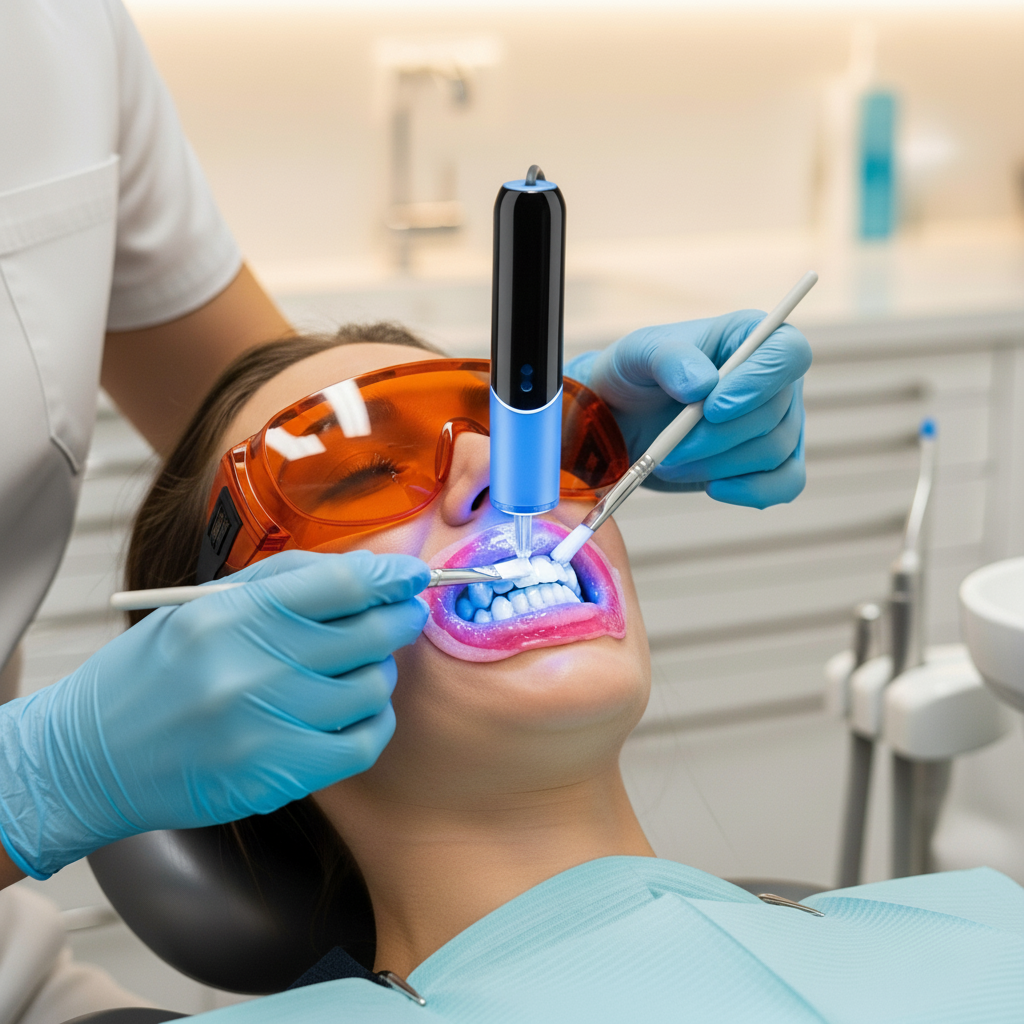
The risk of permanent enamel damage is very low when whitening is done correctly with approved products. The danger arises from overusing products, using them for longer than instructed, or using unverified products with dangerously high concentrations of bleaching agents or abrasive materials. Always follow the directions precisely and never extend a treatment course in an attempt to get whiter results faster. The safest path is always to begin with a professional consultation to ensure your teeth and gums are healthy enough for whitening and to receive guidance on the most appropriate method for you. By prioritizing professional advice and proven techniques, you can achieve the brilliant smile you desire without compromising the health of your teeth.