What Is a Dental Crown and When Do You Need One?
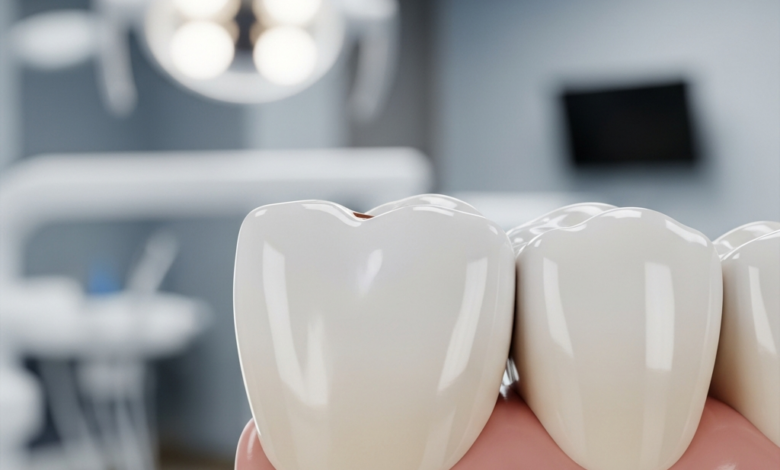
A dentist may recommend a dental crown for several reasons, as they solve both restorative and cosmetic dental problems effectively. The decision to place a crown is based on the specific condition of the tooth and the patient’s overall oral health goals. It is a definitive solution for teeth that are too damaged for a simple filling but do not require extraction.
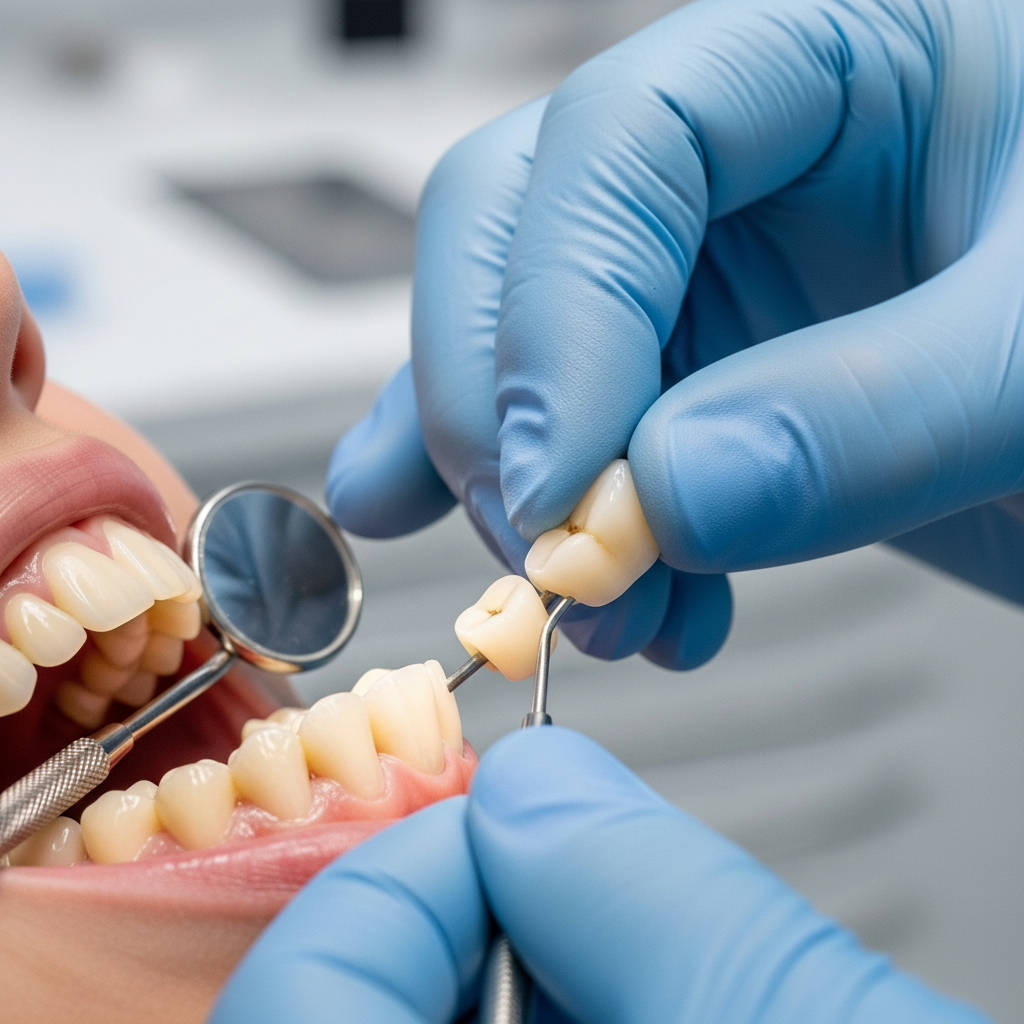
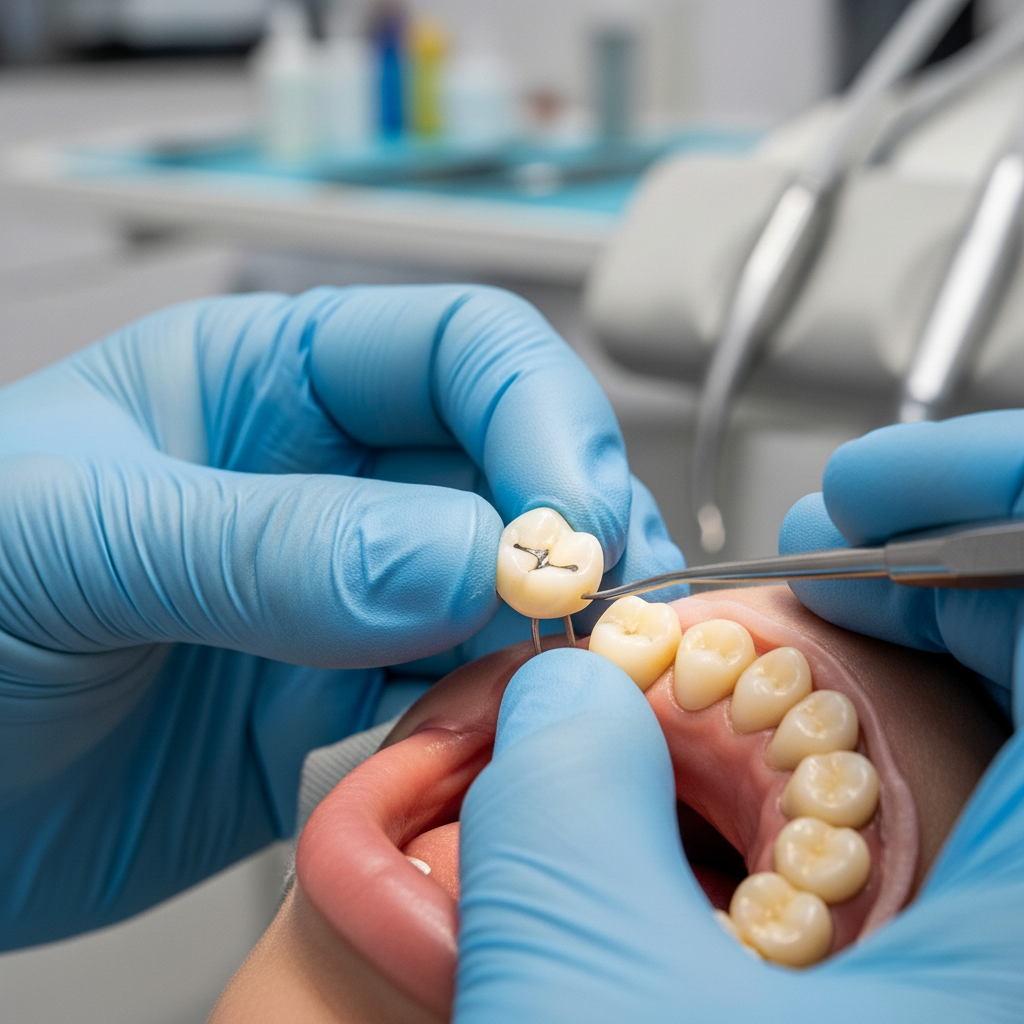
What Is a Dental Crown and When Do You Need One? A dental crown is a custom-made, tooth-shaped “cap” that is placed over a tooth to restore its shape, size, strength, and improve its overall appearance. When cemented into place, the crown fully encases the entire visible portion of a tooth that lies at and above the gum line. It serves as a new external surface for the tooth, providing comprehensive protection and aesthetic enhancement. This versatile dental restoration addresses a wide range of functional and cosmetic issues, making it a cornerstone of modern dentistry.
When Is a Dental Crown Recommended?
To Protect a Weakened Tooth
One of the primary functions of a dental crown is to provide structural support to a weak tooth. Teeth can become weak due to extensive decay, the presence of a very large filling, or a fracture. When a significant portion of the natural tooth structure is lost, a filling may not be sufficient to withstand biting forces. In these cases, a crown holds the remaining parts of the tooth together, preventing it from breaking apart and allowing it to function normally again.
After a Root Canal Treatment
Root canal therapy is a procedure that saves a tooth with an infected or inflamed pulp. However, after the pulp is removed, the tooth loses its source of nourishment and hydration, making it brittle and more susceptible to fracture over time. Placing a dental crown over the tooth after a root canal treatment is a standard and crucial step to protect it from future damage and ensure its long-term survival.
To Restore a Broken or Worn-Down Tooth
Teeth can be broken, chipped, or severely worn down from trauma, accidents, or chronic habits like bruxism (teeth grinding). A dental crown can restore the tooth’s original shape and size, rebuilding its structure so that it can function properly within the bite. This not only improves chewing ability but also prevents further wear and damage to the tooth and adjacent teeth.
To Support a Dental Bridge
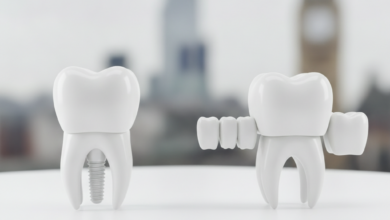
When a patient is missing one or more teeth, a dental bridge can be used to fill the gap. A bridge typically consists of one or more artificial teeth (pontics) held in place by dental crowns on the adjacent natural teeth (abutments). These crowns provide the necessary strength and stability to anchor the bridge securely, creating a functional and aesthetic replacement for the missing teeth.
For Cosmetic Enhancement
Beyond its restorative capabilities, a dental crown is an excellent tool for cosmetic dentistry. It can be used to cover teeth that are severely discolored, misshapen, or poorly aligned. By placing a custom-made crown, a dentist can dramatically improve the color, shape, and symmetry of a tooth, contributing to a more uniform and attractive smile as part of a comprehensive smile design plan.
What Is a Dental Crown? A Comparison of Materials
The material used to fabricate a dental crown is a critical factor that influences its strength, durability, and appearance. Modern dentistry offers several advanced materials, each with unique properties suited for different situations. High-quality clinics often specialize in metal-free options like Zirconia and E-Max, which provide superior aesthetics and biocompatibility.
Zirconia Crowns
Zirconia, or zirconium dioxide, is a type of ceramic that is renowned for its exceptional strength and durability, making it highly resistant to chipping and cracking. This material is an excellent choice for both front and back teeth. Its biocompatibility means it is well-tolerated by the body, minimizing the risk of allergic reactions. Modern monolithic zirconia can be milled and colored to closely match natural teeth, offering a blend of world-class strength and impressive aesthetics.
E-Max Crowns (Lithium Disilicate)
E-Max is another type of all-ceramic crown made from lithium disilicate glass. Its most significant advantage is its outstanding translucency and aesthetic appeal, which allows it to mimic the appearance of natural tooth enamel almost perfectly. This makes E-Max crowns a premier choice for front teeth where cosmetic appearance is the highest priority. While very strong, they are generally considered slightly less robust than zirconia, making them ideal for the anterior region of the mouth.
Porcelain-Fused-to-Metal (PFM) Crowns
PFM crowns have been a reliable option for many years. They consist of a metal alloy base with a layer of porcelain fused to the exterior. This construction provides excellent strength and durability. However, they have cosmetic drawbacks. The metal substructure can sometimes create a dark line at the gumline, and the porcelain layer can chip or wear over time, exposing the metal underneath. They also lack the natural translucency of all-ceramic options.
| Material | Aesthetics | Durability | Best For | Key Benefit |
|---|---|---|---|---|
| Zirconia | Very Good to Excellent | Exceptional | Front and Back Teeth | Superior strength and biocompatibility |
| E-Max | Excellent | Very Good | Front Teeth | Most natural and life-like appearance |
| Porcelain-Fused-to-Metal (PFM) | Good | Very Good | Back Teeth | Proven long-term reliability |
| All-Porcelain/Ceramic | Excellent | Good | Front Teeth | Metal-free aesthetics |
The Dental Crown Procedure: A Step-by-Step Guide
Getting a dental crown typically involves two separate appointments at the dental clinic. The first visit is for tooth preparation and taking impressions, while the second is for placing the final, permanent crown.
The First Visit: Examination and Tooth Preparation
The process begins with a thorough examination of the tooth, which may include taking X-rays to assess the health of the tooth’s roots and surrounding bone. Before preparing the tooth, the dentist will administer a local anesthetic to numb the area. The tooth is then reshaped by filing down the enamel on the chewing surface and sides to create adequate space for the crown to fit. The amount of tooth structure removed depends on the type of crown being used. After reshaping, an impression of the tooth is taken using either a digital scanner or a putty-like material. This impression is sent to a dental laboratory where the custom crown will be fabricated. Finally, the dentist will place a temporary crown over the prepared tooth to protect it while the permanent one is being made.
The Second Visit: Placing the Permanent Crown
A few weeks later, you will return for the second visit. The temporary crown is removed, and the prepared tooth is cleaned. The dentist will then place the new permanent crown over the tooth to check its fit, shape, and color. It is crucial that the crown fits perfectly and that your bite feels comfortable. The dentist will make any necessary minor adjustments. Once both you and the dentist are satisfied with the result, the new crown is permanently cemented into place using a special dental adhesive.
Benefits and Longevity of Dental Crowns
Dental crowns offer significant benefits that go beyond simple repair, providing long-term solutions for dental health and aesthetics.
The Advantages of Choosing a Crown
The primary benefit of a crown is the complete restoration of a tooth’s function and strength. It allows you to bite and chew without pain or risk of further fracture. Aesthetically, crowns made from materials like Zirconia or E-Max can transform a smile, creating a seamless and natural-looking result. They are also a highly durable solution. The durability of modern crowns makes them a worthwhile investment, and understanding the factors that influence the overall dental crown cost is an important part of the decision-making process. By protecting the underlying tooth structure, a crown can prevent the need for more complex procedures like extraction and dental implants in the future.
How Long Do Dental Crowns Last?
The lifespan of a dental crown can vary significantly, but on average, they last between 5 and 15 years, with many lasting much longer. Several factors influence their longevity. The material is key; for instance, studies show excellent long-term survival rates for zirconia crowns due to their high fracture resistance. A 2017 systematic review published in the Journal of Prosthodontic Research highlighted the clinical success and durability of monolithic zirconia restorations. Furthermore, a patient’s oral hygiene habits are paramount. Diligent brushing, flossing, and attending regular dental check-ups are essential for maintaining the health of the underlying tooth and gums, which supports the crown. Avoiding habits like chewing ice, biting fingernails, or using teeth to open packages will also help extend the life of your restoration.
Caring for Your New Dental Crown
Proper aftercare is essential to ensure the longevity of your dental crown and the health of the underlying tooth. While the crown itself cannot decay, the natural tooth underneath it still can, particularly at the margin where the crown meets the tooth.
Regular visits to your dentist for professional cleanings and check-ups will allow them to monitor the crown and the health of your entire mouth, ensuring your restoration continues to function perfectly for years to come.