Why Flossing Is More Important Than You Think
Why Flossing Is More Important Than You Think. For decades, brushing has been the celebrated hero of oral hygiene, the twice-daily ritual ingrained in us since childhood. Flossing, however, is often treated as its optional sidekick—something to be done when you have a spare moment or when a stubborn piece of popcorn gets stuck. This perspective is not just incomplete; it’s dangerously inaccurate. Flossing is not merely a supplement to brushing; it is an equally critical pillar of oral health, and its neglect can lead to consequences that extend far beyond your mouth. Understanding the science behind this simple string can fundamentally change your approach to daily care, safeguarding not just your smile, but your overall well-being.
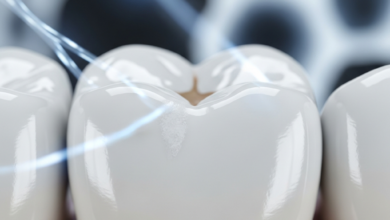
The fundamental limitation of a toothbrush, no matter how technologically advanced, is its inability to clean every surface of a tooth. Toothbrushes are excellent at cleaning the front, back, and chewing surfaces. However, they cannot effectively reach the tight spaces between the teeth and under the gumline. These areas, known as interdental spaces, make up roughly 35% of your tooth surfaces. Leaving this significant portion of your mouth uncleaned is like washing only two-thirds of your body and expecting to be clean. It’s in these hidden crevices that the real danger begins, with the formation of a sticky, bacterial film called plaque.
The Hidden Dangers: What Brushing Alone Misses
When you eat, bacteria in your mouth feast on the sugars and starches left behind, producing acids and forming plaque. This biofilm adheres tenaciously to tooth surfaces, especially in the protected areas between teeth. If you only brush, you are consistently leaving this plaque to accumulate, mature, and wreak havoc. Within as little as 24 to 48 hours, the minerals in your saliva begin to calcify this soft plaque, hardening it into tartar, also known as calculus.
Unlike plaque, which can be removed with a toothbrush and floss, tartar is a hard, crusty deposit that bonds strongly to the tooth enamel. It cannot be removed with at-home care. Only a professional dental cleaning with specialized tools can scrape away tartar buildup. This hardened deposit creates a rough surface that acts as a magnet for even more plaque, accelerating a vicious cycle of bacterial accumulation. This buildup at and below the gumline is the primary trigger for gum disease, a progressive condition that begins silently but can have devastating effects.
The First Stage: Gingivitis
The bacteria thriving in the plaque and tartar release toxins that irritate the delicate gum tissue. This irritation triggers an inflammatory response from your body, leading to the earliest stage of gum disease: gingivitis. The classic signs of gingivitis include red, swollen gums that may bleed easily, especially when you brush or attempt to floss after a long absence. Many people mistakenly believe this bleeding is a sign they should stop flossing, thinking they are hurting their gums. The opposite is true. The bleeding is a distress signal from your gums, indicating they are inflamed and infected due to the presence of bacteria. Consistent and proper flossing removes the plaque, reduces the bacterial load, and allows the inflammation to subside, leading to healthier, firmer gums that do not bleed.
The Destructive Progression: Periodontitis
If gingivitis is left untreated, the inflammation and infection can progress deeper, attacking the underlying structures that support your teeth. This advanced stage is known as periodontitis. As the condition worsens, the gums begin to pull away from the teeth, creating pockets. These pockets become breeding grounds for more aggressive, anaerobic bacteria that thrive in oxygen-deprived environments. Your body’s immune system continues to fight the infection, but the chronic inflammation starts to break down the bone and connective tissue that hold your teeth in place. This can lead to loose teeth, changes in your bite, persistent bad breath, and ultimately, tooth loss. The progression is often gradual and painless in its early stages, which is why preventative care, centered around effective plaque removal with floss, is paramount. Understanding what is gum disease and how is it treated is the first step toward preventing this destructive process.
Why Flossing Is More Important for Systemic Health
The consequences of neglecting to floss are not confined to your mouth. A growing body of scientific evidence has established a powerful connection between oral health, particularly gum disease, and overall systemic health. The mouth is a gateway to the rest of the body, and the chronic inflammation and bacterial load from periodontitis can have far-reaching effects. The bacteria in the infected gum pockets can easily enter the bloodstream and travel throughout your body, triggering inflammation and contributing to a range of serious health conditions.
This oral-systemic link underscores why flossing is an essential component of a holistic health routine. According to a study published in the Journal of Periodontology, the inflammation caused by gum disease is linked to a higher risk of developing other inflammatory conditions. The constant inflammatory state puts a significant strain on the body’s resources and can exacerbate existing health issues.
Cardiovascular and Other Systemic Links
The link between periodontal disease and cardiovascular health is one of the most well-researched areas of the oral-systemic connection. Bacteria from the mouth, such as Porphyromonas gingivalis, have been found in the atherosclerotic plaques that clog arteries. The chronic inflammation associated with gum disease is thought to contribute to the hardening of arteries, increasing the risk for heart attack and stroke. Furthermore, poor oral health has been associated with other major health concerns, including:
- Diabetes: The relationship is a two-way street. Individuals with diabetes are more susceptible to gum disease, and severe periodontitis can, in turn, make it more difficult to control blood sugar levels.
- Respiratory Infections: Bacteria from the oral cavity can be inhaled into the lungs, potentially leading to pneumonia, especially in older adults or individuals with compromised immune systems.
- Pregnancy Complications: Periodontitis has been linked to an increased risk of premature birth and low birth weight babies.
This evidence transforms flossing from a simple cosmetic act into a crucial preventative health measure.
| Oral Hygiene Metric | Brushing Alone | Brushing and Flossing |
|---|---|---|
| Interdental Plaque Removal | Minimal to ineffective. Removes approximately 65% of total plaque. | Highly effective. Removes up to 80% or more of total plaque. |
| Gum Health | Higher risk of gingivitis due to plaque buildup at the gumline. | Significantly reduces inflammation, bleeding, and risk of gingivitis. |
| Cavity Prevention | Protects chewing and outer surfaces but leaves interdental areas vulnerable. | Drastically reduces the risk of cavities forming between the teeth. |
| Bad Breath (Halitosis) | Often fails to remove trapped food particles and bacteria, a primary cause of bad breath. | Effectively removes decaying food debris and bacteria, leading to fresher breath. |
| Systemic Health Impact | Allows for chronic inflammation and bacterial entry into the bloodstream. | Lowers the body’s overall inflammatory burden, reducing associated systemic health risks. |
Mastering the Flossing Technique
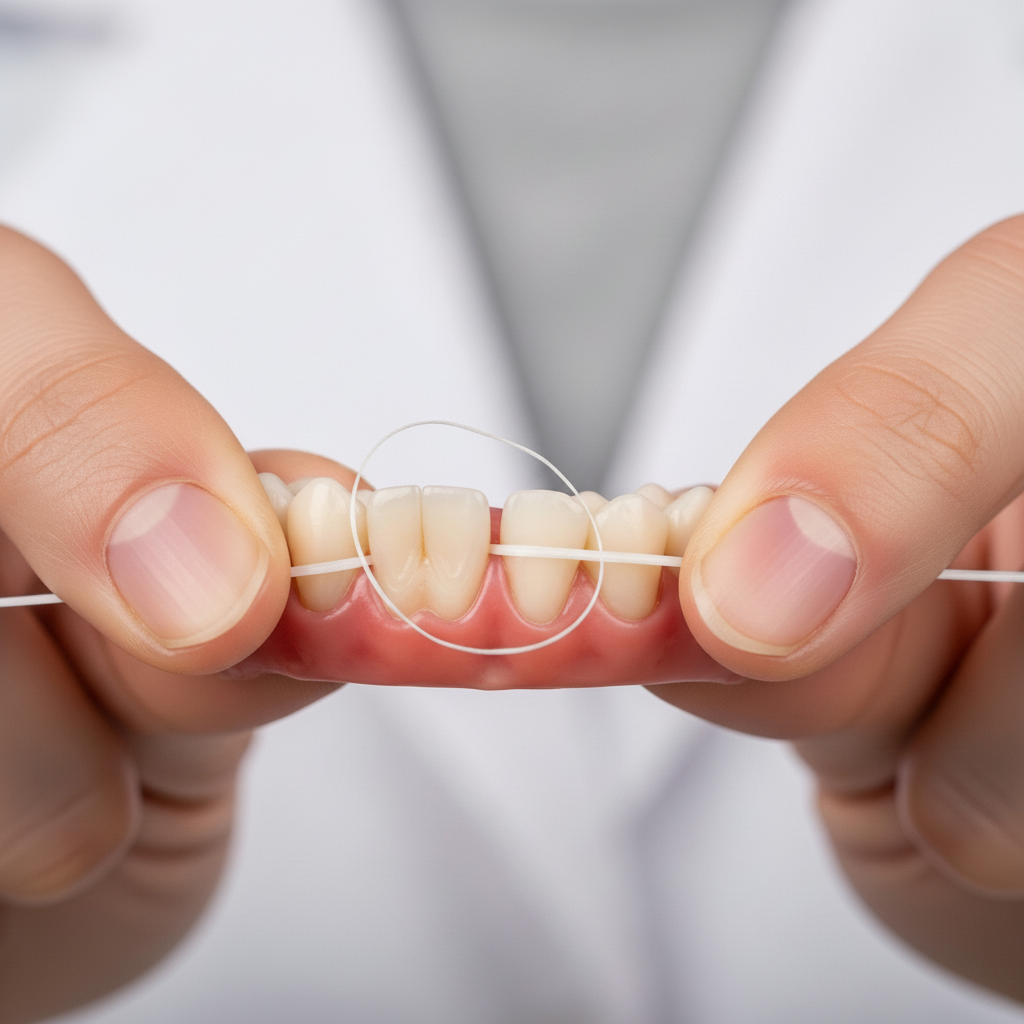
- Use Enough Floss: Start with a generous amount, about 18 inches (45 cm). This allows you to use a fresh section of floss for each tooth, preventing the redepositing of plaque and bacteria.
- Wrap Securely: Wrap most of the floss around the middle finger of one hand and a small amount around the middle finger of the other hand. Use your thumbs and index fingers to guide a one-inch section of floss between your teeth.
- Be Gentle: Guide the floss between your teeth using a gentle rubbing or sawing motion. Never snap the floss into your gums, as this can cause cuts and bruising.
- Form a “C” Shape: This is the most critical step. Once the floss reaches the gumline, curve it into a “C” shape against one tooth. Gently slide it into the space between the gum and the tooth until you feel slight resistance.
- Scrape, Don’t Saw: Hold the floss firmly against the tooth and move it up and down to scrape the plaque off the side of that tooth. Repeat this process for the adjacent tooth in the same space before moving on.
- Work Systematically: Move methodically around your mouth, cleaning both sides of every tooth, including the back of your last molars. As you move from tooth to tooth, unroll a fresh section of floss from one finger and wind the used section onto the other.

A small amount of daily dedication to this practice is a profound investment in your long-term health. It moves beyond simply preventing cavities and preserving your teeth; it is an active measure to reduce chronic inflammation and lower your risk for some of the most serious diseases facing society today. Viewing that small container of dental floss not as a chore, but as a powerful tool for wellness, is the key to unlocking a healthier future for both your mouth and your entire body. The evidence is clear: the simple act of cleaning between your teeth is one of the most impactful health decisions you can make each day. For an in-depth exploration of the connection between oral bacteria and systemic health, you can consult authoritative sources like this review from the National Center for Biotechnology Information (NCBI).