How Sugar Affects Your Teeth
How Sugar Affects Your Teeth is a topic many people think they understand, yet the specifics of the destructive process often remain a mystery. We are frequently told to avoid sweets to prevent cavities, but what is actually happening inside our mouths when we consume a sugary drink or a dessert? The relationship between sugar and dental health is not just about the sugar itself, but about a complex biological chain reaction that takes place on the surface of our teeth. Understanding this process is the first and most critical step in protecting your smile for a lifetime. This comprehensive guide will break down the science, explore the stages of damage, and provide actionable strategies to mitigate the risks posed by sugar.
The Scientific Breakdown of Sugar and Tooth Decay
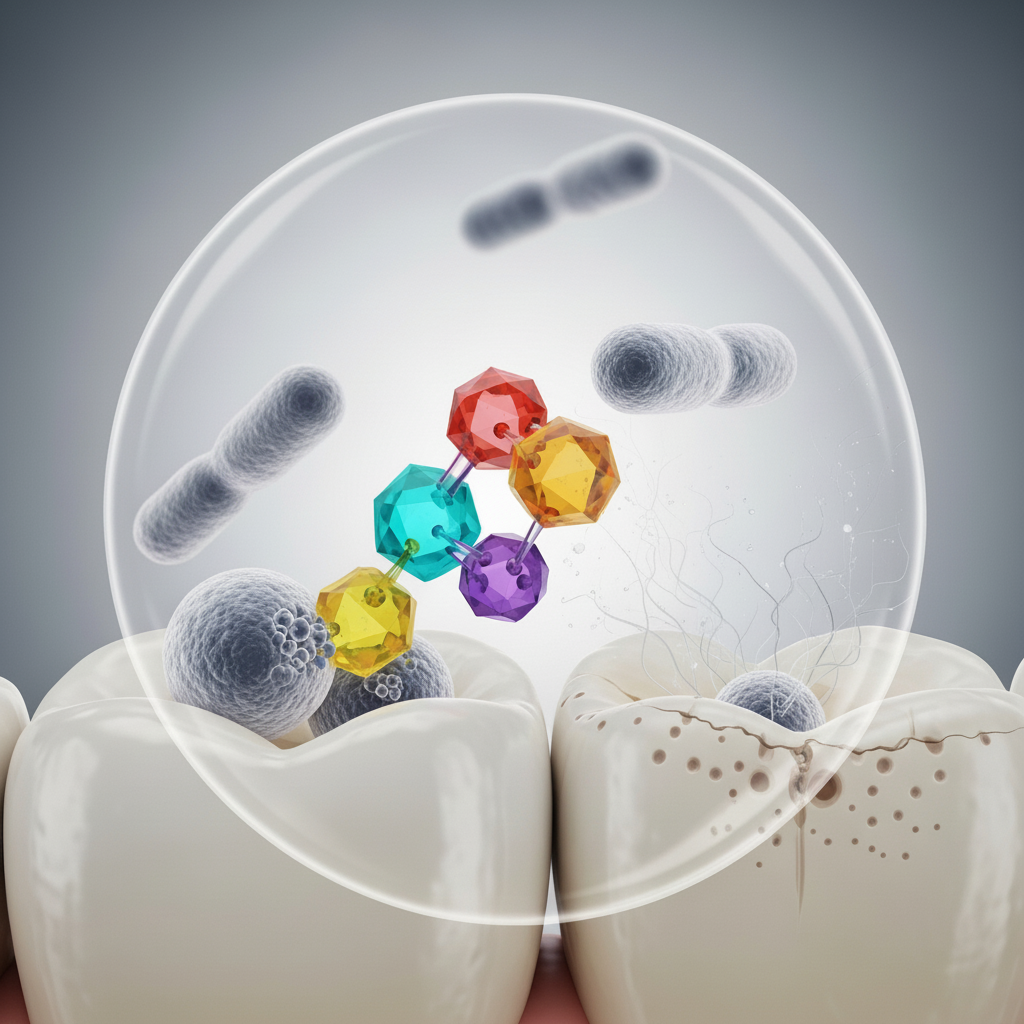
To truly grasp how sugar harms your teeth, we must look at the microscopic ecosystem that exists within your mouth. Your oral cavity is home to hundreds of species of bacteria, many of which are harmless or even beneficial. However, certain strains, most notably Streptococcus mutans and Streptococcus sorbrinus, are the primary culprits in the development of tooth decay, also known as dental caries. These bacteria have a particular fondness for fermentable carbohydrates, with simple sugars like sucrose (table sugar), glucose, and fructose being their favourite energy sources.
The Conversion of Sugar into Acid
When you consume sugary foods or drinks, you are not just feeding yourself; you are providing a feast for these harmful oral bacteria. The bacteria rapidly metabolize these sugars in a process that produces acidic byproducts. The main damaging acids are lactic acid, butyric acid, and propionic acid. This collection of bacteria, food debris, and saliva forms a sticky, colourless film on your teeth called plaque. When sugar is introduced, the plaque becomes a highly acidic environment, and the pH level in your mouth drops significantly. A neutral pH is around 7.0, but after sugar consumption, it can plummet to 5.5 or lower. This is the critical threshold where tooth enamel begins to dissolve.
Demineralization: The Leaching of Minerals
Tooth enamel is the hardest substance in the human body, even stronger than bone. It is primarily composed of a crystalline calcium phosphate mineral called hydroxyapatite. Despite its strength, enamel is vulnerable to acid attacks. When the pH in the plaque drops below 5.5, the acid begins to leach essential minerals like calcium and phosphate directly from the enamel crystals. This process is called demineralization. Each time you eat or drink something sugary, you trigger an “acid attack” that can last for 20 minutes or more. If these attacks happen frequently throughout the day—for instance, by sipping on a soda or constantly snacking on sweets—your teeth are exposed to a prolonged demineralizing environment, giving your mouth little chance to recover. Your saliva is your body’s natural defence mechanism, working to neutralize the acid and redeposit lost minerals back onto the enamel in a process called remineralization. However, a high-sugar, high-frequency diet can easily overwhelm this natural protective capacity.
The Progressive Stages of Sugar-Induced Damage
The damage from sugar is not instantaneous; it is a gradual process that unfolds in distinct stages if left unaddressed. Recognizing the early signs is crucial for intervention and preventing more severe, costly, and painful complications. Understanding this progression can empower you to take action before irreversible damage occurs.
Stage 1: Enamel Erosion and White Spots
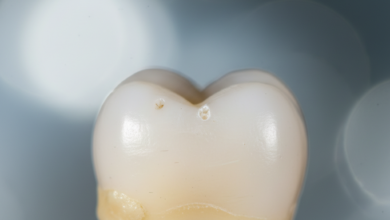
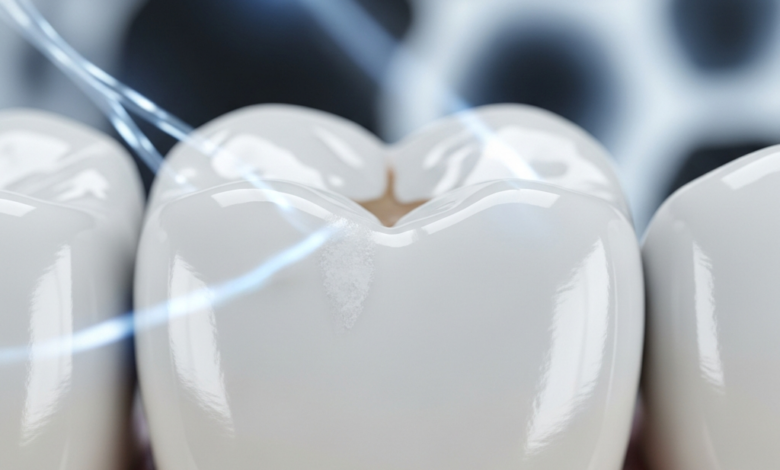
The very first visible sign of demineralization is often the appearance of chalky white spots on the teeth. These spots indicate areas where minerals have been lost from the enamel. At this early stage, the damage is often reversible. By reducing sugar intake, improving oral hygiene, and using fluoride treatments, the enamel can remineralize and harden again. Fluoride is particularly effective because it helps to rebuild weakened enamel and makes the teeth more resistant to future acid attacks. This is a critical window of opportunity to halt the decay process before a physical cavity forms.
Stage 2: Cavity Formation (Dental Caries)
If the process of demineralization continues to outpace remineralization, the enamel surface will eventually break down, creating a physical hole in the tooth. This is what we call a cavity, or dental caries. Once the decay has breached the enamel, the damage is permanent and cannot be reversed by oral hygiene alone. The cavity will continue to grow as bacteria and acid penetrate deeper into the tooth’s structure. At this point, professional dental intervention is necessary. The standard treatment involves a dentist removing the decayed portion of the tooth and filling the space with a restorative material like composite resin or amalgam.
Stage 3: Dentin and Pulp Involvement
Beneath the enamel lies a softer, more porous layer called dentin. Dentin contains microscopic tubules that lead directly to the tooth’s nerve center, the pulp. If a cavity is left untreated, it will progress through the enamel and into the dentin. Because dentin is much softer than enamel, the decay process accelerates significantly once it reaches this layer. This is when many people begin to experience tooth sensitivity to hot, cold, or sweet foods, as the stimuli can travel through the tubules to the nerve. If the decay reaches the pulp, which contains nerves and blood vessels, it can lead to a painful infection or abscess. Treatment at this stage often requires a root canal procedure to remove the infected pulp, followed by the placement of a dental crown to protect and restore the tooth’s structure and function. This highlights why regular dental check-ups are essential to catch and treat cavities while they are still small and confined to the enamel. The link between unchecked decay and more complex treatments is well-established by organizations like the World Health Organization, which emphasizes prevention.
Beyond Cavities: How Sugar Affects Your Gums and Overall Oral Health
While cavities are the most famous consequence of a high-sugar diet, the damage does not stop there. The same bacterial plaque that produces acid also causes significant inflammation and harm to the gum tissues. When plaque accumulates along the gumline, the bacteria release toxins that irritate the gums, causing them to become red, swollen, and prone to bleeding. This initial stage of gum disease is known as gingivitis. Fortunately, gingivitis is reversible with diligent oral hygiene and professional dental cleanings to remove the plaque and tartar buildup.
However, if left untreated, gingivitis can advance to a more severe and destructive form of gum disease called periodontitis. In periodontitis, the chronic inflammation causes the gums to pull away from the teeth, creating pockets that become infected. As the body’s immune system fights the bacteria, the bone and connective tissue that hold the teeth in place are progressively broken down. This can lead to loose teeth and, eventually, tooth loss. A diet high in sugar fuels the plaque buildup that initiates this entire destructive cascade, making sugar a major contributor to poor gum health. Understanding what is gum disease and how is it treated is fundamental to preserving your oral and overall health.
Strategic Defence: Protecting Your Smile from Sugar
Protecting your teeth requires a two-pronged approach: managing your sugar consumption and maintaining excellent oral hygiene. Limiting obvious sources of sugar like candy, pastries, and sugary drinks is a great start, but it is also important to be aware of hidden sugars in processed foods, sauces, fruit juices, and even some “healthy” snacks like granola bars. Reading nutrition labels can be an eye-opening experience.
Coupling a low-sugar diet with a rigorous oral care routine provides the ultimate defence. This includes:
- Brushing Twice Daily: Use a fluoride toothpaste and brush for at least two minutes each time, ensuring you clean all surfaces of your teeth.
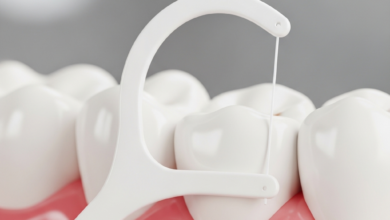
- Flossing Daily: Flossing is non-negotiable as it removes plaque and food particles from between the teeth and under the gumline, areas a toothbrush cannot reach.
- Regular Dental Visits: Schedule check-ups and professional cleanings every six months. Your dentist can detect early signs of decay, and hygienists can remove hardened plaque (tartar) that you cannot remove at home.
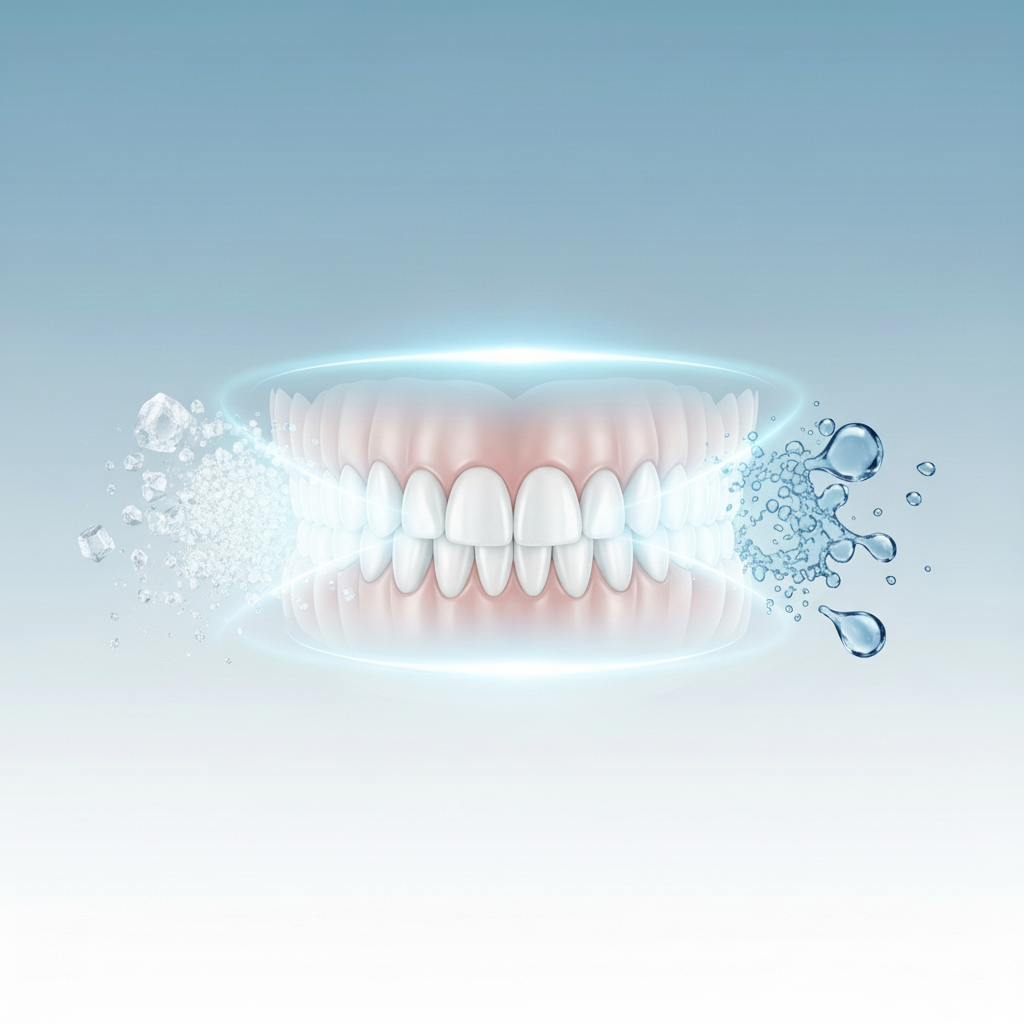
By understanding the science of how sugar fuels acid-producing bacteria and by implementing consistent, proactive protective measures, you can effectively neutralize the threat and maintain a strong, healthy, and beautiful smile for years to come.