How Long Do Veneers Last?
How Long Do Veneers Last?
Dental veneers are a cornerstone of modern cosmetic dentistry, offering a transformative solution for individuals seeking a flawless, radiant smile. These ultra-thin, custom-made shells are bonded to the front surface of your teeth to correct a wide range of imperfections, from discolouration and chips to gaps and minor misalignments. As a significant investment in both your appearance and self-confidence, a primary concern for anyone considering this procedure is its durability. The longevity of veneers is not determined by a single factor but is instead a result of the interplay between the material used, the expertise of the dental professional, and, most importantly, the patient’s long-term care and lifestyle habits.
Understanding the expected lifespan of your veneers allows you to set realistic expectations and take proactive steps to protect your investment. While they are not a permanent solution in the sense that they will never need replacement, high-quality veneers that are well-maintained can provide a beautiful smile for many years, often a decade or more. This guide will explore the different types of veneers, the critical factors that influence their lifespan, and the essential practices required to ensure your smile remains stunning for as long as possible.
The Lifespan of Different Veneer Types
The material chosen for your veneers is the most significant initial factor in determining how long they will last. The two most common materials used in cosmetic dentistry are porcelain and composite resin. Each has a distinct set of properties, benefits, and expected lifespans that cater to different patient needs and budgets.
Porcelain Veneers: The Gold Standard
Porcelain veneers are widely regarded as the premium choice for dental restorations. They are crafted from a strong, durable ceramic material that expertly mimics the light-reflecting properties of natural tooth enamel. This gives them an incredibly realistic and vibrant appearance. The process involves creating a custom mould of your teeth, which is then sent to a dental laboratory where skilled technicians fabricate each individual veneer. Due to their robust nature and superior materials, porcelain veneers typically last between 10 and 15 years, and with exemplary care, many patients find they last for 20 years or even longer. Their non-porous surface makes them highly resistant to staining from coffee, tea, and red wine, ensuring your smile stays bright. The procedure does require the removal of a very thin layer of enamel from the natural tooth to ensure a flush, secure fit, making it an irreversible treatment.
Composite Resin Veneers: A Versatile Alternative
Composite resin veneers are a more direct and often more affordable alternative. This procedure involves the dentist applying a tooth-coloured resin material directly onto the tooth surface, which is then sculpted, shaped, and polished to achieve the desired look. Because they are built up chairside in a single visit, the process is faster and generally less expensive than porcelain. However, this convenience comes with a trade-off in longevity. Composite veneers have an average lifespan of 5 to 7 years. The resin material is not as strong as porcelain, making it more susceptible to chipping and wear over time. It is also more porous, meaning it can stain more easily. One key advantage, however, is that composite veneers can often be repaired if they chip, whereas a damaged porcelain veneer must be fully replaced.
| Feature | Porcelain Veneers | Composite Resin Veneers |
|---|---|---|
| Average Lifespan | 10-15+ years | 5-7 years |
| Material | Medical-grade ceramic | Tooth-coloured resin |
| Stain Resistance | Excellent | Moderate (can stain over time) |
| Durability | Very high (strong and fracture-resistant) | Good (but more prone to chipping) |
| Appearance | Extremely natural, translucent quality | Very good, but may lack the lustre of porcelain |
| Procedure Time | 2-3 visits (preparation, fabrication, bonding) | Typically 1 visit (direct application) |
How Long Do Veneers Last: A Realistic Timeline
The journey with veneers extends far beyond the initial placement. Their longevity depends on consistent care and being aware of changes over time. Understanding what to expect at different stages can help you maintain your smile effectively.
In the first few years (Years 1-5), your veneers should feel and look perfect. This is the period to solidify excellent oral hygiene habits. Regular dental check-ups are essential to allow your dentist to inspect the integrity of the veneers, the health of the underlying teeth, and the condition of your gums. From years 5 to 10, porcelain veneers will continue to demonstrate their durability and aesthetic stability. For composite veneers, this is the timeframe where you might begin to notice subtle staining or minor wear at the edges, which may require polishing or small repairs. Your dentist will pay close attention to the bonding agent and the gum line. Beyond the 10-year mark is where high-quality porcelain veneers truly shine. Many continue to function perfectly, with the most common reason for replacement being aesthetic changes like gum recession rather than material failure. Multiple clinical studies on veneer longevity have confirmed high survival rates for porcelain veneers even after a decade of use, underscoring their reliability as a long-term solution.
Key Factors That Influence Veneer Longevity
Beyond the choice of material, several other critical factors determine the lifespan of your dental veneers. These elements are a combination of the dentist’s skill and the patient’s commitment to aftercare.
The Quality of the Dental Work
The experience and precision of the cosmetic dentist performing the procedure are paramount. A successful veneer placement relies on two key aspects: a perfect fit and a flawless bond. The dentist must prepare the tooth surface meticulously and ensure the veneer is shaped to sit seamlessly against the tooth and along the gum line. An improper fit can leave tiny gaps where bacteria can accumulate, leading to decay in the underlying tooth. Furthermore, the bonding process is a delicate science. Using high-quality bonding agents and techniques ensures a powerful, durable adhesion that will withstand the forces of chewing for years.
Your Oral Hygiene Routine
Veneers require the same diligent care as your natural teeth. The veneer itself cannot decay, but the tooth underneath and the surrounding gums are still vulnerable. A poor oral hygiene routine can lead to cavities forming along the margin of the veneer or gum disease, both of which can compromise the restoration and necessitate its removal. An ideal daily routine includes brushing at least twice a day with a soft-bristled toothbrush and a non-abrasive toothpaste to avoid scratching the surface. Daily flossing is non-negotiable, as it is the only way to clean the critical area between the teeth and at the gum line where the veneer meets the tooth.
Lifestyle and Dietary Habits
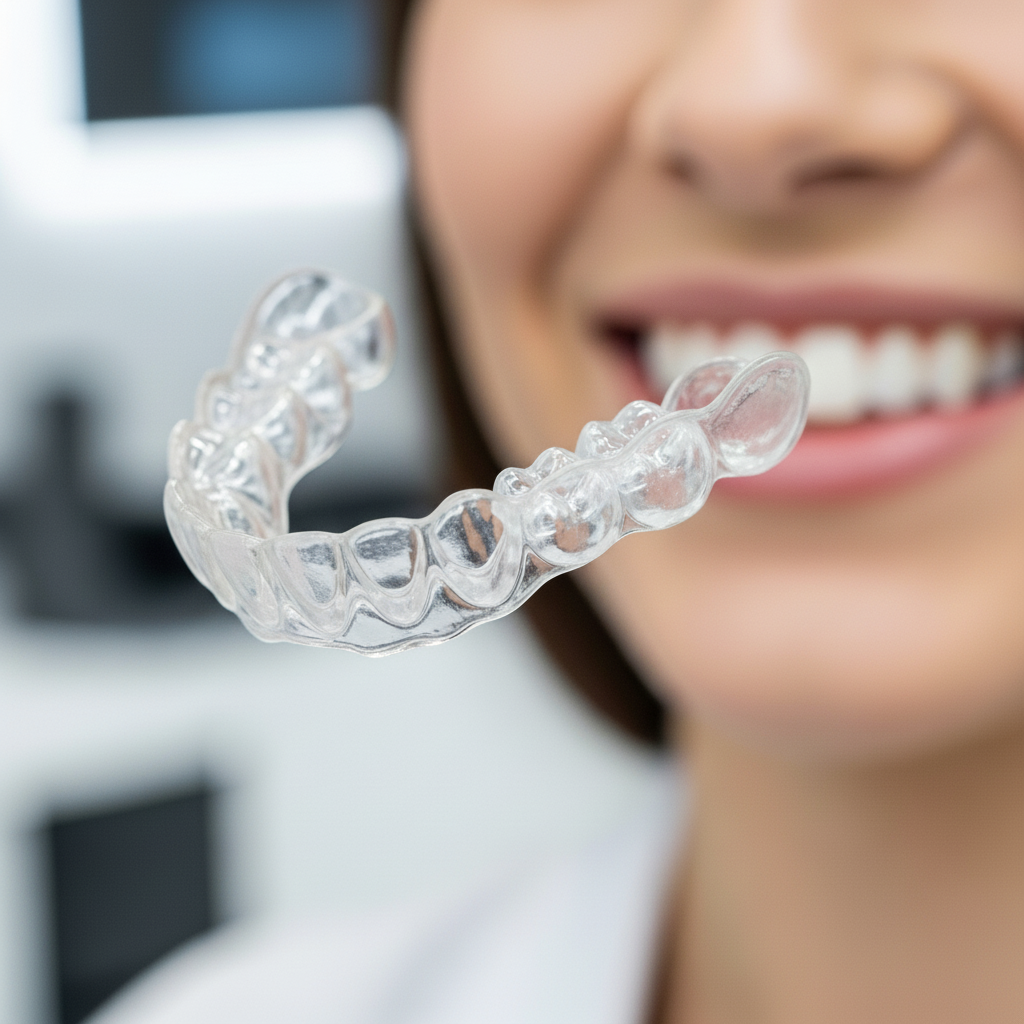
Your daily habits can either protect or damage your veneers. One of the most significant risks is bruxism, or the chronic grinding and clenching of teeth, which often occurs during sleep. The immense pressure from bruxism can cause veneers to chip, crack, or even debond. If you suffer from bruxism, a custom-fitted nightguard is an essential appliance to protect your investment. Additionally, it is crucial to avoid using your teeth as tools—for example, to open packages, bite your nails, or chew on pens. These actions can place concentrated stress on a veneer, leading to fracture. A diet containing excessively hard foods like ice, hard candy, or nuts should also be approached with caution.
Signs That Your Veneers May Need Replacement
Even with the best care, veneers will eventually reach the end of their functional or aesthetic life. Being able to recognise the signs that a replacement is needed is important for maintaining your oral health.
- Visible Damage: The most obvious signs are chips, cracks, or significant fractures in the veneer. While minor chips in composite can sometimes be repaired, damaged porcelain veneers always require replacement.
- Loosening or Debonding: If a veneer feels loose or if the gap between the veneer and the tooth feels rough to your tongue, it indicates that the bonding agent is failing.
- Decay in the Underlying Tooth: If a cavity forms on the tooth beneath the veneer, the dentist will need to remove the veneer to treat the decay. Signs can include a dark line appearing at the edge of the veneer or new sensitivity.
- Gum Recession: Over time, it is natural for gums to recede slightly. This can expose the top margin of the veneer and the natural tooth root, creating a noticeable line that detracts from the smile’s appearance.
- Severe Staining: While porcelain is highly stain-resistant, older composite veneers can become discoloured to a point where they no longer match the adjacent teeth, necessitating replacement for aesthetic reasons.
Maximising the Lifespan of Your Dental Veneers
Protecting your veneers and extending their lifespan is an active process that combines professional guidance with personal responsibility. By adopting a few key practices, you can ensure your smile remains beautiful and healthy for years to come. Start by fully understanding what dental veneers are and the commitment they require. Follow up by choosing a dentist with proven expertise in cosmetic procedures, as their skill is the foundation of a long-lasting result. Commit to a rigorous oral hygiene routine of brushing, flossing, and attending dental check-ups every six months. If you grind your teeth, wear your prescribed nightguard without fail. Finally, be mindful of how you use your teeth. Avoid hard and sticky foods when possible, and never use your teeth to open or cut things. These simple yet effective strategies will provide the best possible protection for your new smile.